Palm Beach County Coastal City
Listings in Boca Raton, FL
Welcome to Boca Raton, a Palm Beach County coastal city known for its Mizner-era Spanish-Mediterranean architecture, Atlantic beaches, and vibrant Mizner Park downtown.
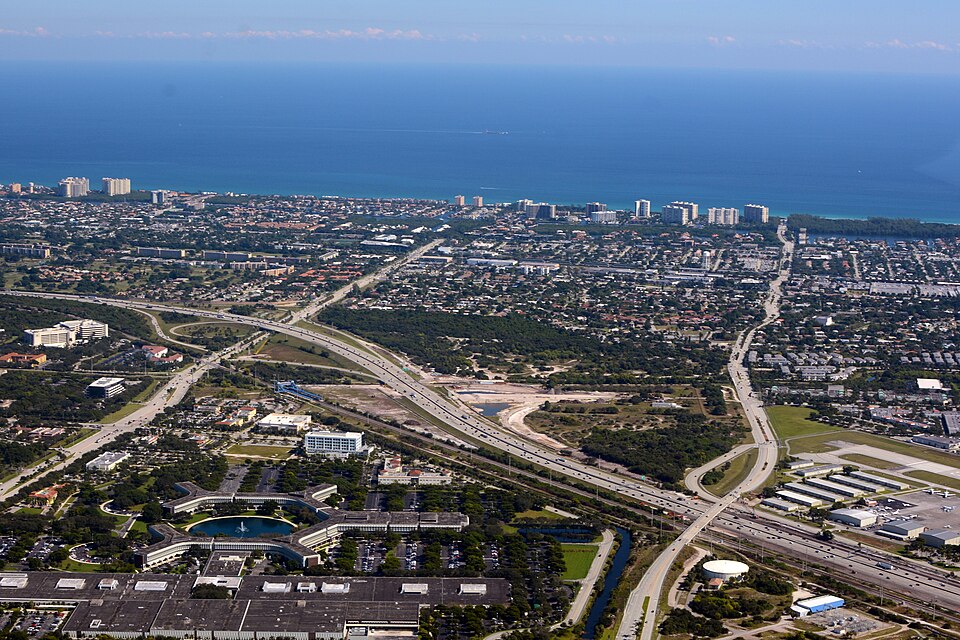
Boca Raton is a city in Palm Beach County, Florida, on the Atlantic coast of southeastern Florida, positioned between Fort Lauderdale to the south and West Palm Beach to the north. With roughly 97,000 residents, it anchors the southern end of Palm Beach County and ranks among Florida's larger municipalities. The city's distinctive character traces to the 1920s, when architect Addison Mizner laid out a vision for a Spanish-Mediterranean resort city. His Mediterranean Revival buildings and planned neighborhoods—including the Old Floresta Historic District and Spanish Village—still shape Boca Raton's identity, and his influence echoes in landmarks across town. The opening of Mizner Park in 1991 gave the city a modern downtown gathering place that carries the name forward. Education and the knowledge economy are central to modern Boca Raton. Florida Atlantic University, founded in 1964, serves tens of thousands of students and is a major employer and economic driver, and several other higher-education institutions are based in the city. The local economy also spans healthcare, finance, technology, and tourism, supported by a highly educated workforce. Residential Boca Raton ranges from oceanfront high-rises and historic Mediterranean Revival homes on the east side to newer, often gated, master-planned communities in the central and western reaches of the city. Parks, golf courses, and country-club settings are woven throughout the residential fabric. Transportation links are strong. The I-95 corridor runs along the city's western edge, Tri-Rail commuter rail stops at Yamato Road, and Brightline's downtown station offers higher-speed rail service to West Palm Beach, Miami, and Orlando. With beaches, universities, and a walkable downtown, Boca Raton combines a resort-town setting with the amenities of a major South Florida city.

Get more information about Boca Raton
 4 photos
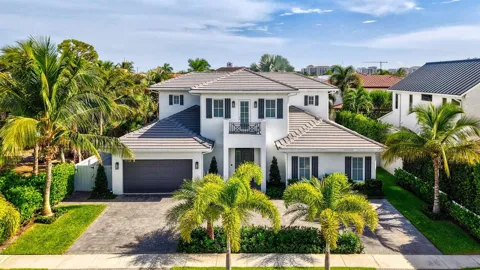
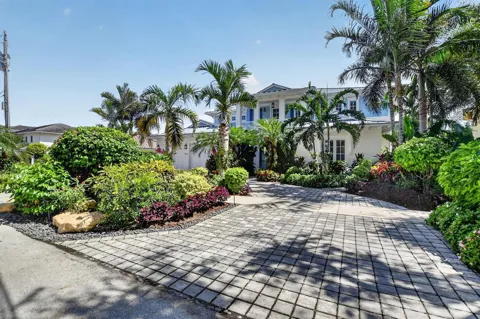
Houses in Boca Raton, FL
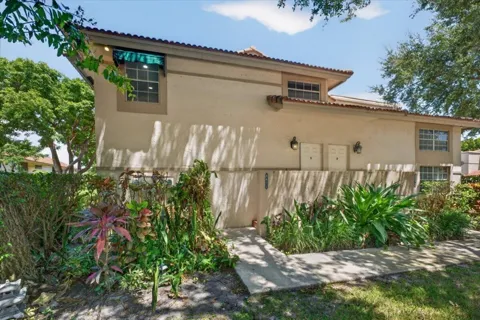
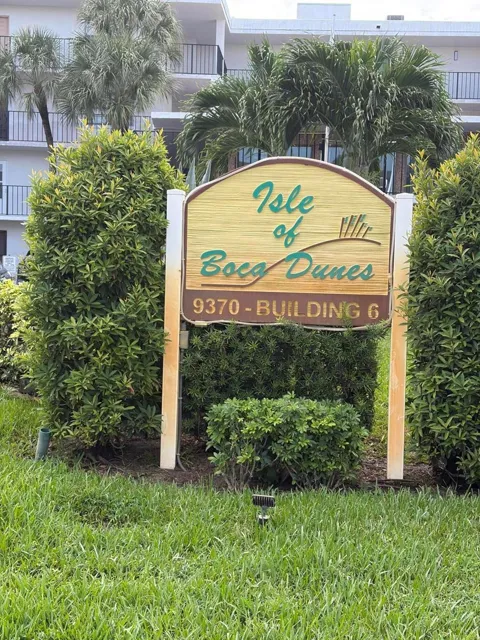
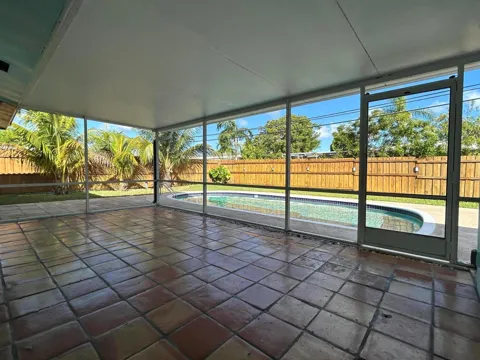
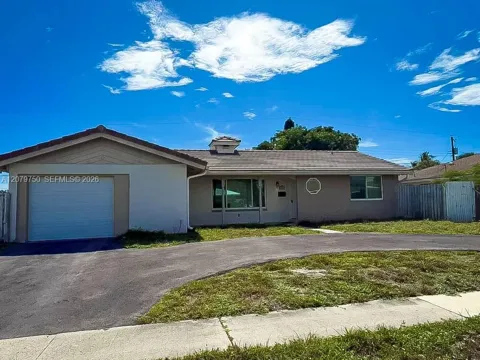
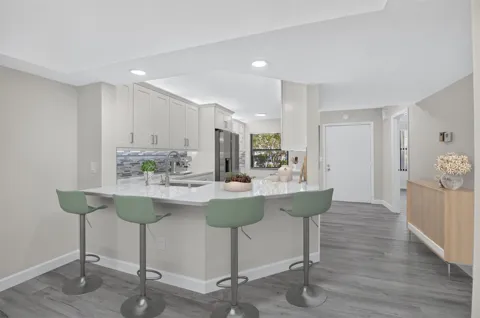
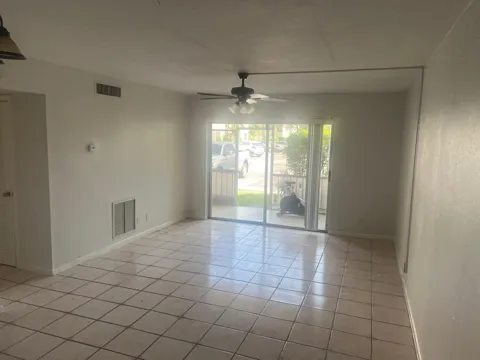
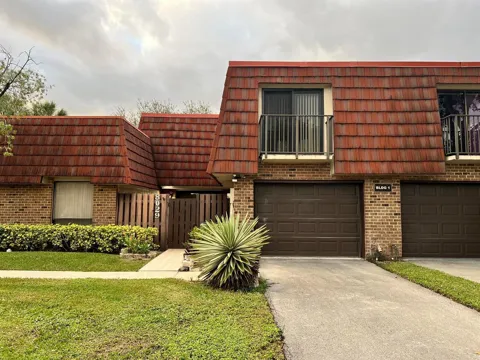
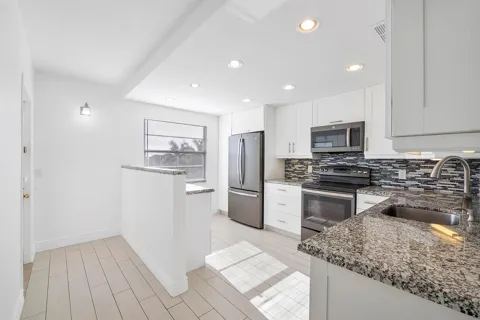
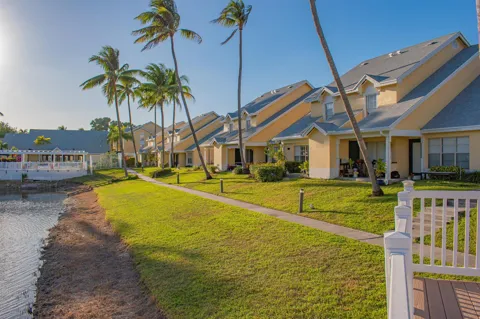
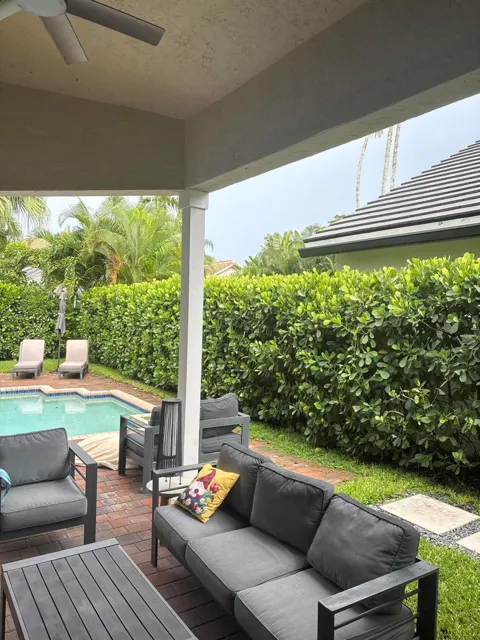
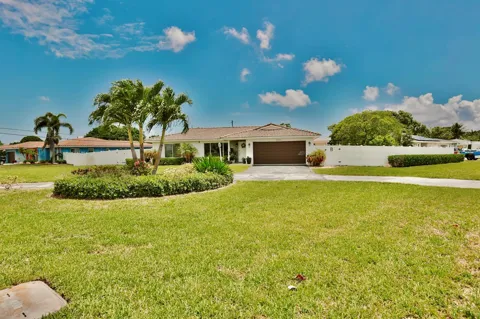
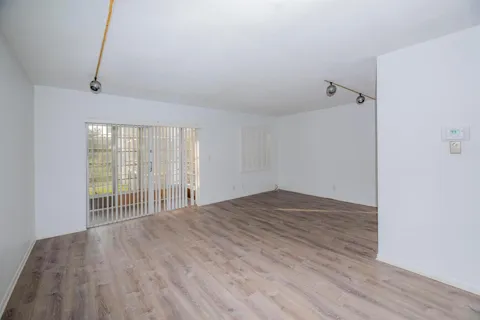
Townhouses & Duplexes in Boca Raton, FL
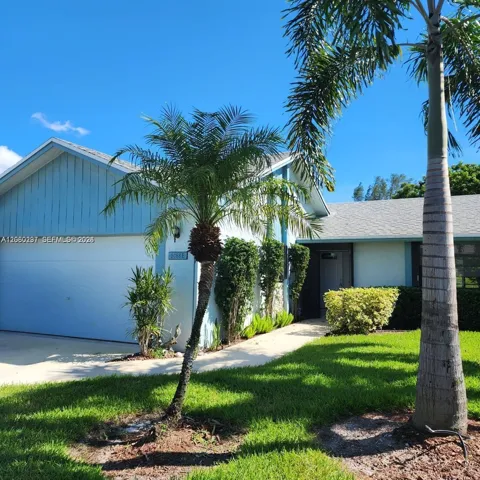
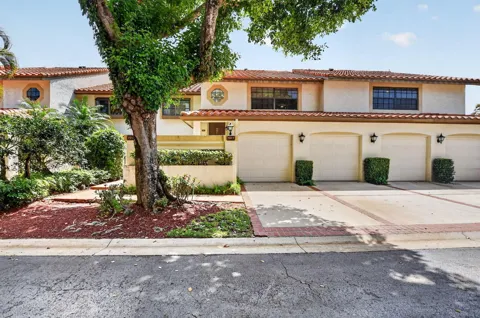
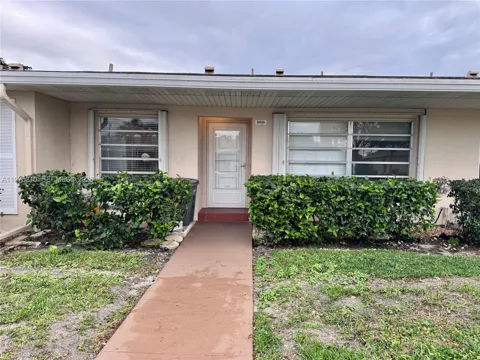
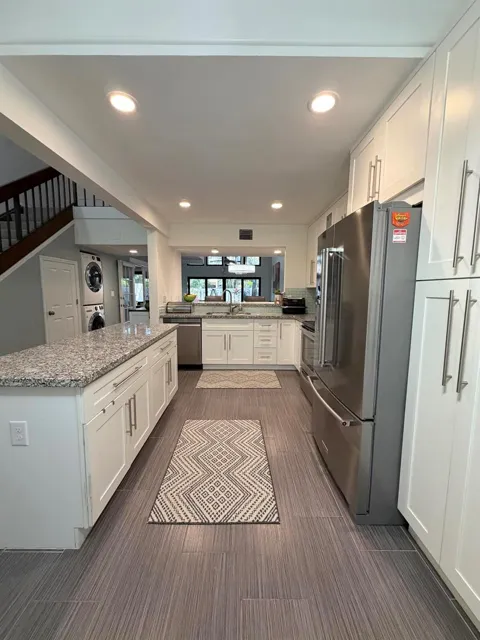
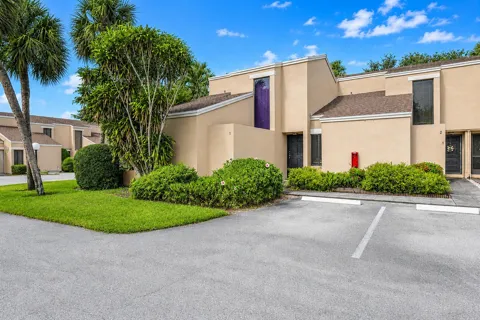
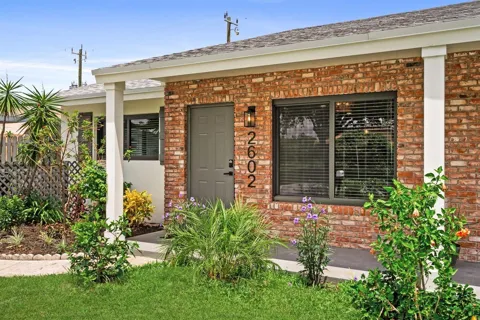
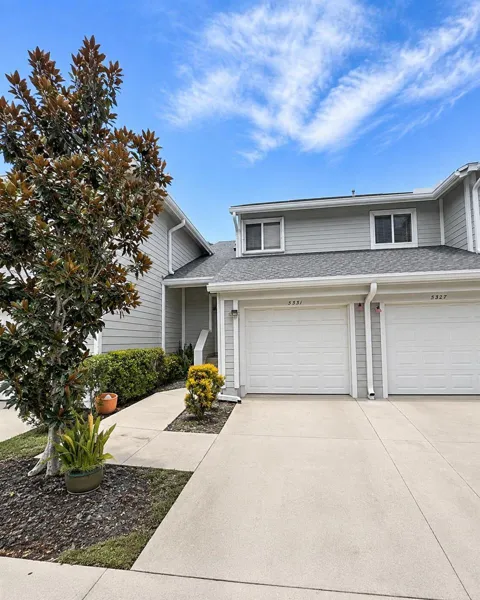
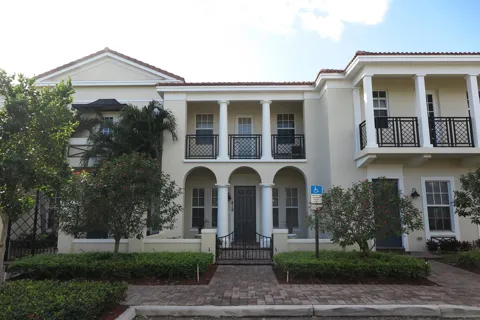
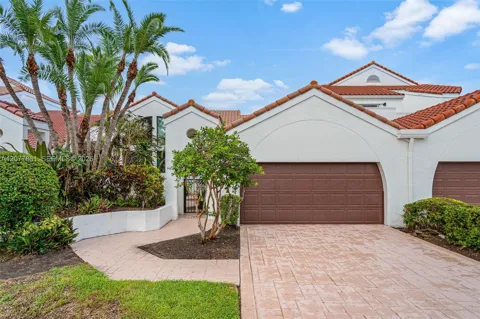
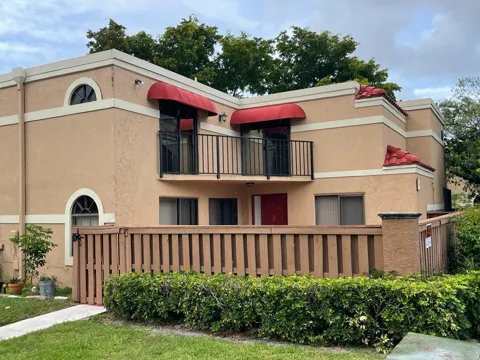
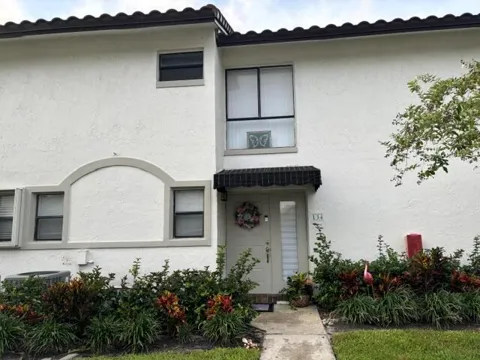
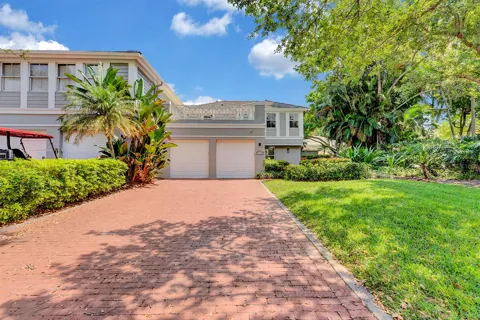
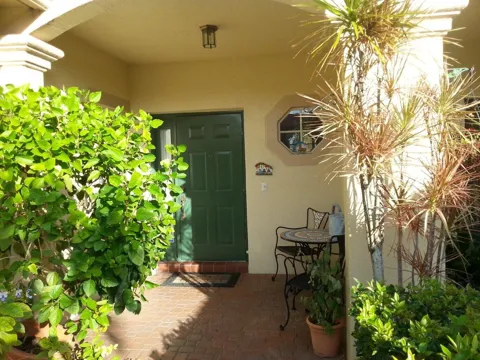
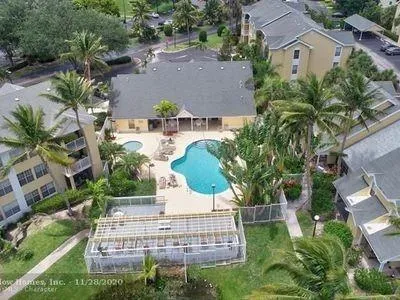
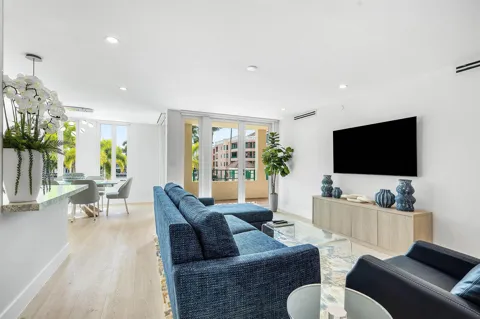
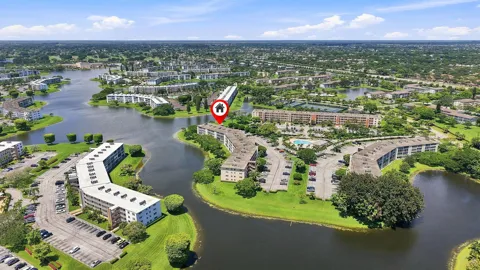
Condos & Apartments in Boca Raton, FL
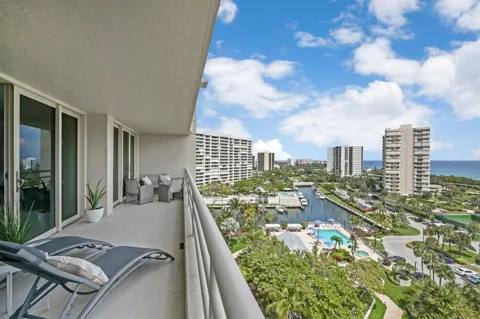
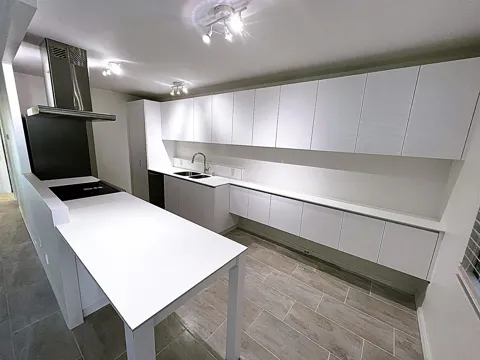
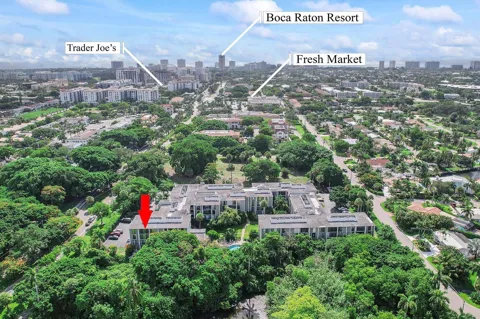
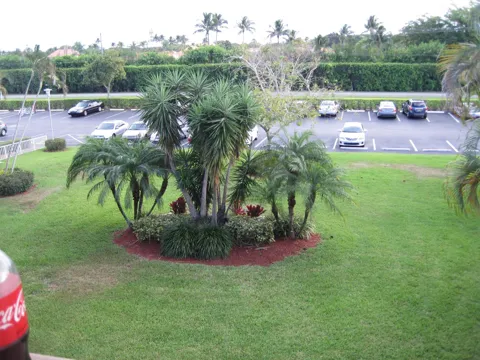
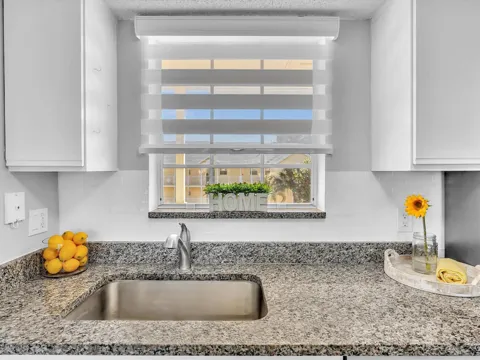
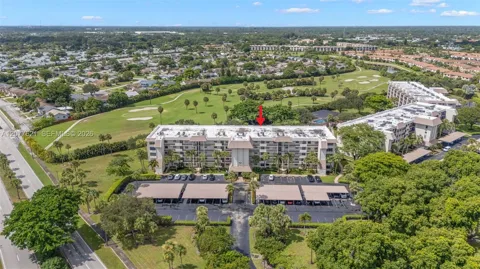
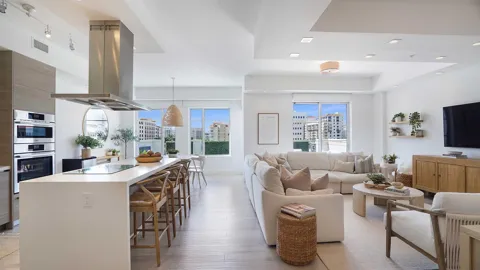
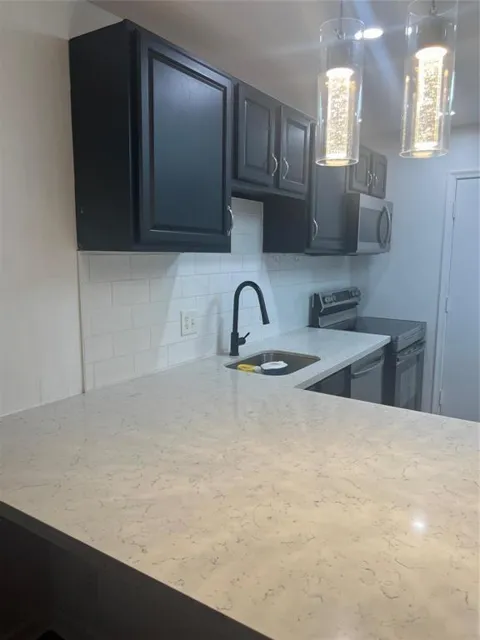
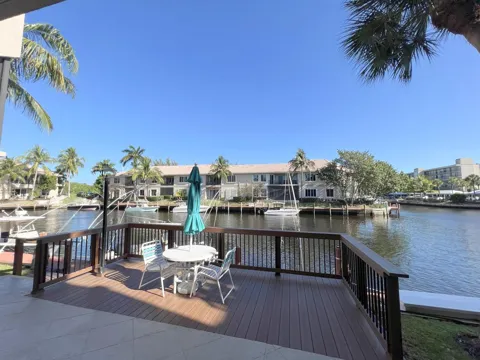
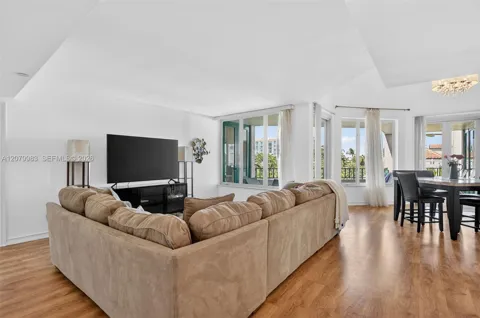
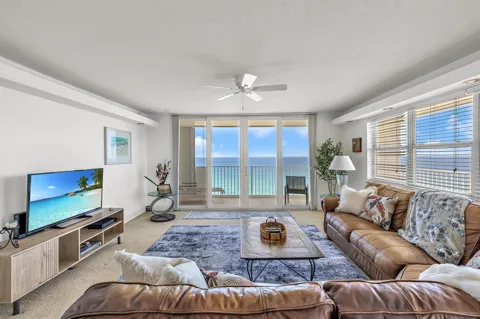
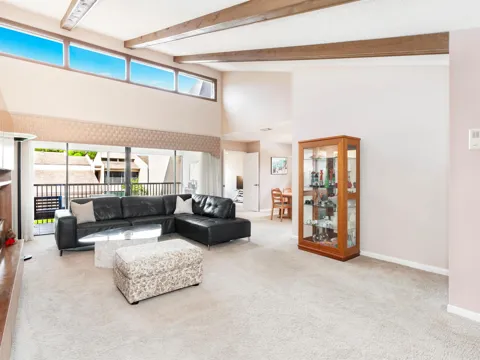
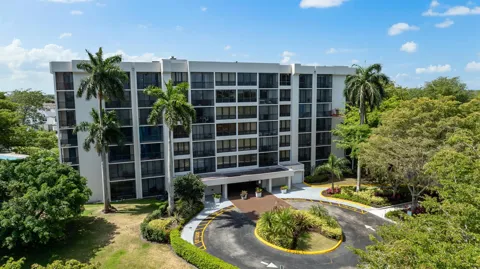
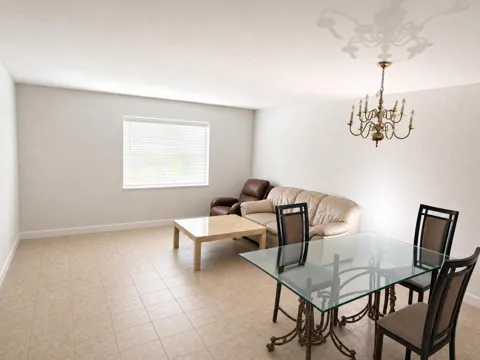
For Rent in Boca Raton, FL
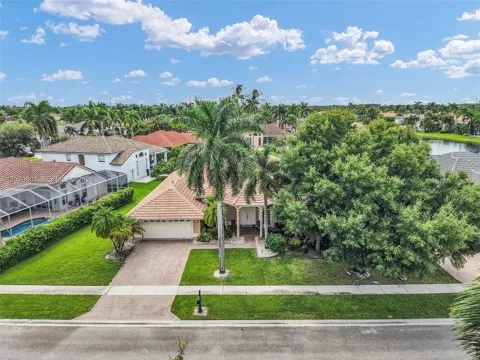
Lots & Land in Boca Raton, FL
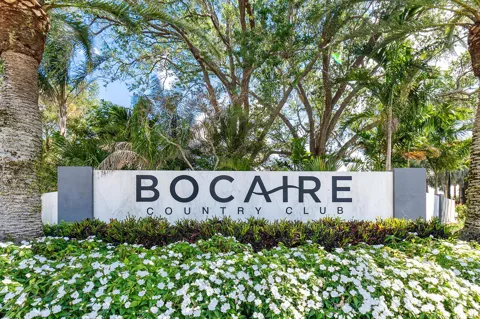
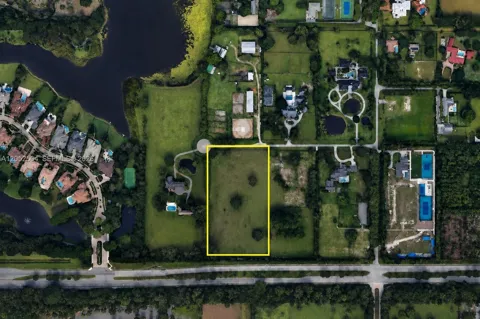
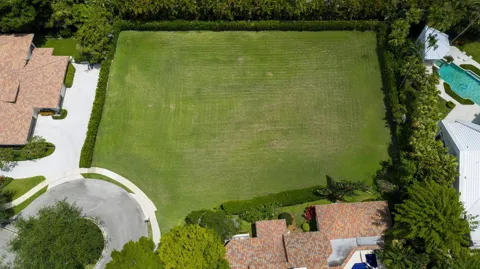
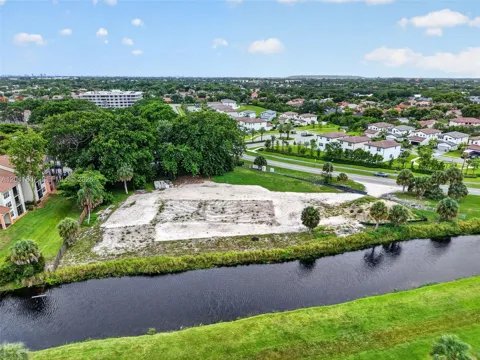
MARKET SNAPSHOT
The Market at a Glance
How homes have been selling here over the last 90 days.
Price & Sales History
Market data reflects closed sales over the last 90 days and is provided for informational purposes.
EXPLORE COMMUNITIES
Subdivisions
Browse the neighborhoods and subdivisions in this area.
Zip Codes
BROWSE BY ZIP
Browse listings by postal code in this area.
- Grid
- Map
- List
City Guide
About Boca Raton
Real Estate & Housing
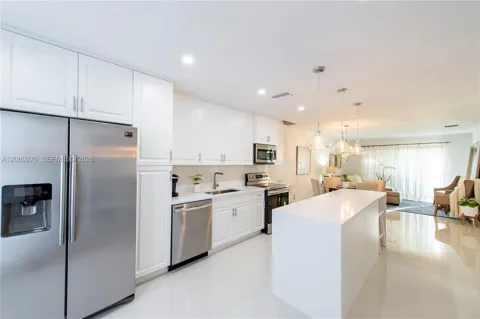
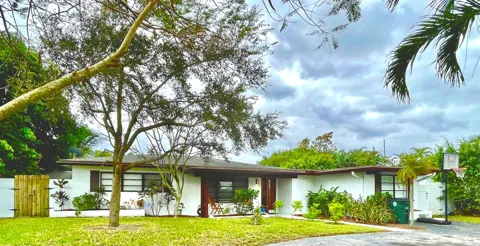
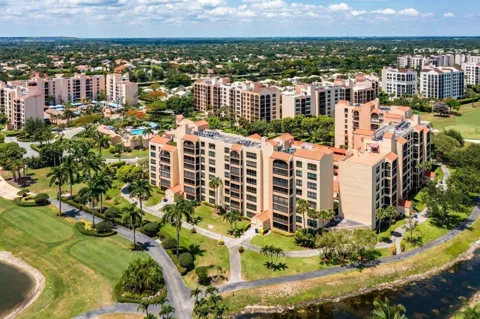
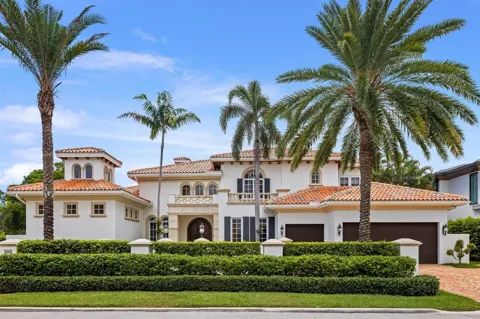
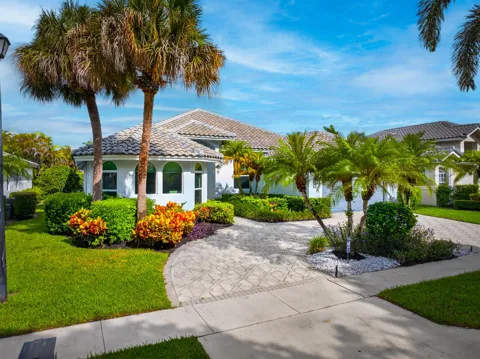
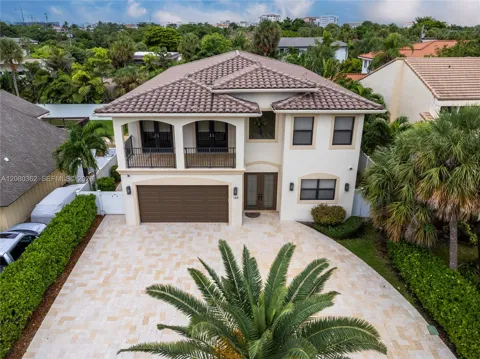
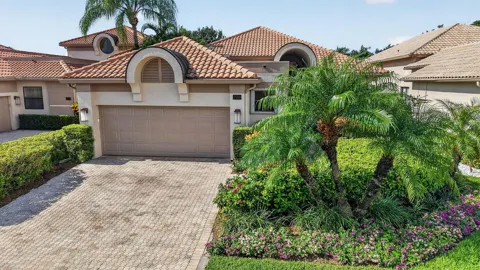
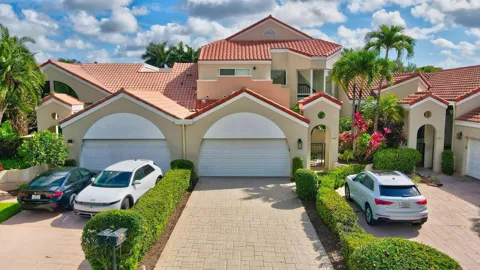
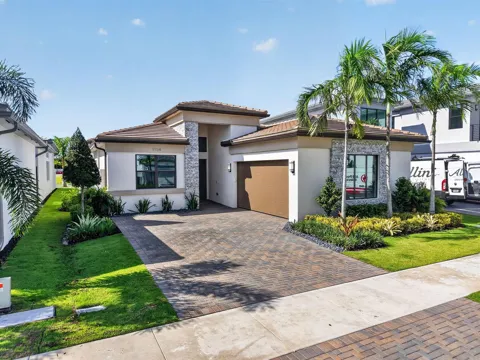
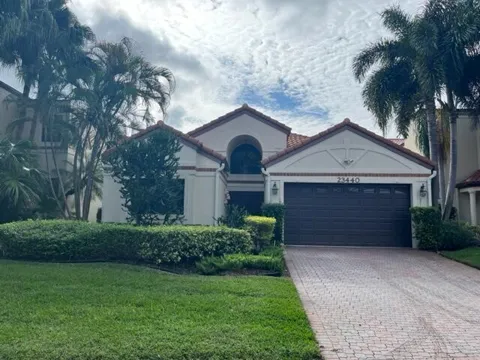
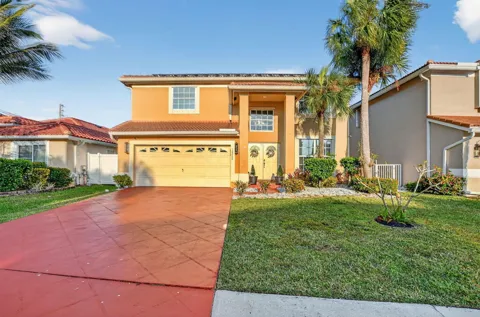
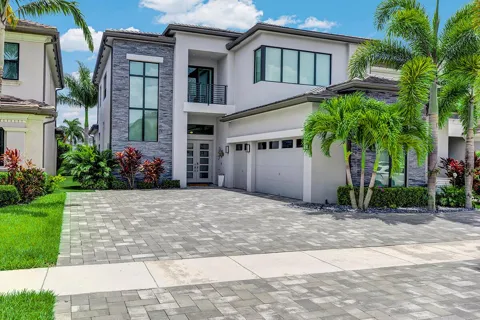
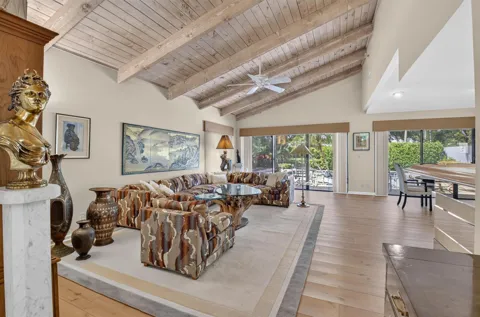
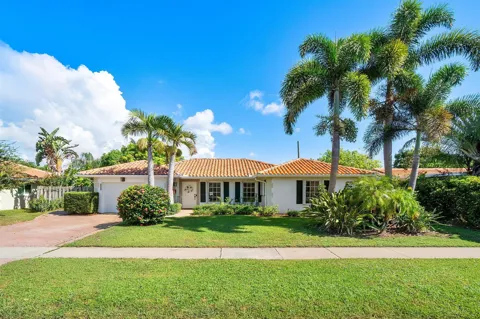
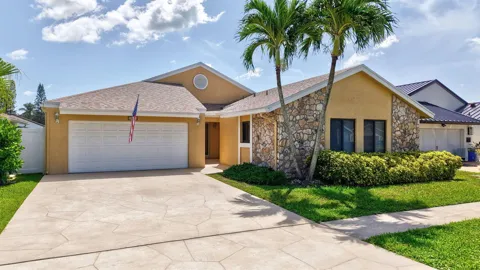
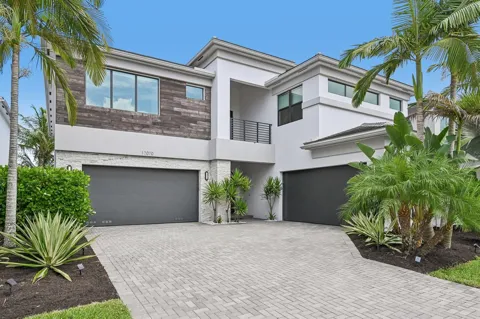
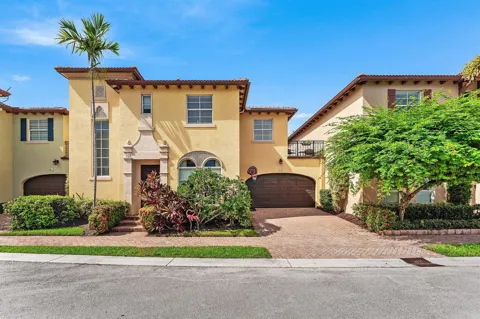
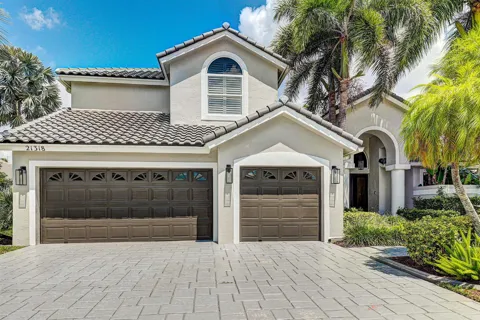
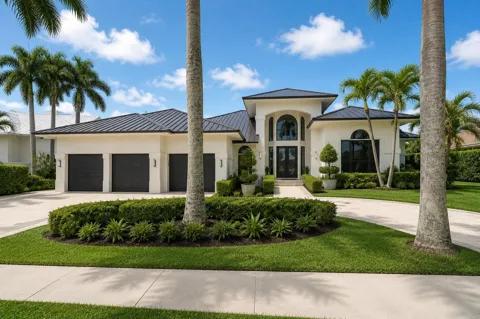
Boca Raton's housing stock reflects its layered history. East Boca combines historic Mediterranean Revival homes—notably in the Old Floresta Historic District, developed under Addison Mizner in the 1920s—with newer oceanfront and high-rise condominiums along the beach. Central and West Boca trend toward modern single-family homes and newer planned communities, many gated and centered on golf or club amenities. This east-to-west progression gives buyers a spectrum from walkable, near-beach living to larger, amenity-rich suburban settings. The city's architecture, parks, and waterfront access all shape its long-term housing character.
Neighborhoods
East Boca is the city's historic and coastal core, where Mediterranean Revival homes in districts such as Old Floresta and Spanish Village sit near the beach and the downtown Mizner Park area. Waterfront and high-rise condominiums along the ocean add a resort-residential dimension. Central and West Boca are defined by newer single-family communities and master-planned developments, many gated and organized around golf courses, lakes, and club amenities. This contrast—historic, walkable eastside neighborhoods versus larger, amenity-driven western communities—defines Boca Raton's residential geography and gives buyers distinctly different settings within one city.
Lifestyle in Boca Raton
Boca Raton blends a resort-town atmosphere with urban conveniences. Downtown, Mizner Park—opened in 1991—anchors shopping, dining, and cultural life, with a mix of restaurants and public gathering space. The dining scene spans a wide range of cuisines, and the city's beaches, parks, and golf courses support an active, outdoor-oriented lifestyle. Boca Raton's educated, professional population and its universities contribute a cosmopolitan feel, while the Mediterranean Revival architecture gives the streetscape a distinctive sense of place. Community events and a lively restaurant and arts scene keep residents engaged year-round.
Schools & Education
Boca Raton is served by the School District of Palm Beach County, one of the largest school districts in the United States and the fifth-largest in Florida, with about 185 schools countywide. The district operates numerous elementary, middle, and high schools across Boca Raton, alongside magnet and choice programs. Higher education is a defining feature: Florida Atlantic University, founded in 1964, anchors the city's academic landscape, and several other colleges and universities are based locally. This concentration of institutions gives Boca Raton a strong educational character at every level.
Getting Around
Boca Raton sits along the I-95 corridor, providing direct highway access north to West Palm Beach and south toward Fort Lauderdale and Miami. Tri-Rail commuter rail stops at the Yamato Road station, linking the city to the wider South Florida rail network, while Brightline operates a downtown station with higher-speed service to West Palm Beach, Miami, and Orlando. Palm Beach County buses and local shuttles—including service to Florida Atlantic University—round out transit options. Proximity to major South Florida airports adds to the city's connectivity for residents and visitors.
Parks & Recreation
Boca Raton's coastline and park system define its outdoor life. Oceanfront parks such as Red Reef Park and Spanish River Park offer beaches, dunes, and picnic areas, and the city maintains dozens of parks with playgrounds, trails, tennis and pickleball courts, and athletic fields. The Greater Boca Raton Beach and Park District oversees signature facilities including Sugar Sand Park, Patch Reef Park, and the Swim and Racquet Center. Golf courses and country clubs are scattered throughout the residential landscape. Together these assets support an active, year-round outdoor lifestyle.
About Boca Raton
Frequently asked questions
What county is Boca Raton in?
Boca Raton is in Palm Beach County, Florida, on the Atlantic coast between Fort Lauderdale and West Palm Beach. It anchors the southern end of the county and is part of the greater South Florida metropolitan region.
Is Boca Raton on the beach?
Boca Raton sits directly on the Atlantic Ocean, with beach parks such as Red Reef Park and Spanish River Park offering public oceanfront access, dunes, and picnic areas. Much of the city's east side is oriented around coastal and waterfront living.
What school district serves Boca Raton?
Boca Raton is served by the School District of Palm Beach County, one of the largest districts in the nation, with about 185 schools countywide. The city is also home to Florida Atlantic University and several other higher-education institutions.
What is Boca Raton known for?
Boca Raton is known for its Spanish-Mediterranean architecture introduced by Addison Mizner in the 1920s, its Atlantic beaches, Mizner Park downtown, and Florida Atlantic University. The Mediterranean Revival style remains visible in historic districts such as Old Floresta.
How do you get from Boca Raton to Miami or West Palm Beach?
Boca Raton is connected by I-95, Tri-Rail commuter rail (with a stop at Yamato Road), and Brightline, which runs higher-speed trains from a downtown station to West Palm Beach, Miami, and Orlando. Palm Beach County buses and local shuttles provide additional transit options.
What are the main areas of Boca Raton?
East Boca contains the historic, walkable neighborhoods and beach high-rises, including Old Floresta and Spanish Village, plus the Mizner Park downtown. Central and West Boca feature newer single-family homes and planned, often gated, communities organized around golf courses and club amenities.
Still have questions about Boca Raton?
Get in touchExplore the area