Gateway to Two National Parks
About Homestead, FL
Welcome to Homestead, a Miami-Dade city set between Biscayne and Everglades national parks, where a working agricultural heritage meets a growing suburban South Florida community.
Homestead sits in southern Miami-Dade County, roughly 26 miles southwest of downtown Miami and 25 miles northwest of Key Largo, on the mainland's last stretch before the Florida Keys. Its position between Biscayne National Park to the east and Everglades National Park to the west makes it the Miami area's gateway to two of the country's most distinctive protected landscapes. Incorporated in 1913, Homestead is the second-oldest city in Miami-Dade County, and it grew as an agricultural town along the Florida East Coast Railway, shipping winter vegetables and tropical fruit to markets across the country. That farming heritage still defines much of the area. The Redland, the rural agricultural district surrounding the city, remains dotted with groves, nurseries, fruit stands and u-pick farms, and attractions such as Fruit and Spice Park and Schnebly Redland's Winery celebrate the region's crops. Homestead also carries a military legacy: Homestead Air Reserve Base, just east of the city, has long been an economic anchor, and the Homestead-Miami Speedway draws motorsports crowds. Tourism tied to the two national parks adds a further layer to the local economy. Residentially, Homestead is a patchwork. Older neighborhoods cluster near the historic downtown and along U.S. 1, while newer master-planned and gated communities by national builders have expanded the city's housing stock on former farmland. The result is a mix of modest older homes, new single-family subdivisions and townhome developments, plus rural acreage in the surrounding Redland. Families, agricultural workers, military personnel and commuters seeking more attainable housing than coastal Miami-Dade all call Homestead home. For homebuyers, Homestead offers space, newer construction and relative affordability within Miami-Dade, at the cost of a longer commute into Miami and a location exposed to hurricane-season weather. Its proximity to the national parks, the Keys and the Redland's open landscapes gives the city a distinctly less urban feel than the rest of South Florida.

MARKET SNAPSHOT
The Market at a Glance
How homes have been selling here over the last 90 days.
Price & Sales History
Market data reflects closed sales over the last 90 days and is provided for informational purposes.
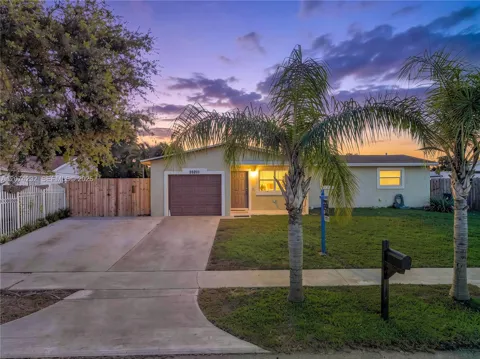
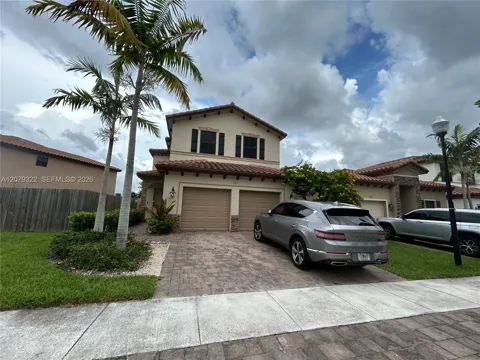
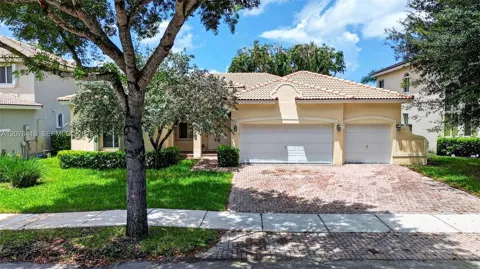
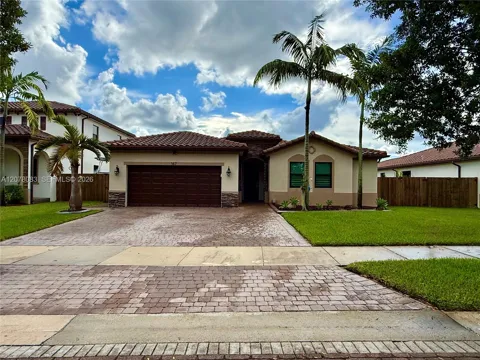
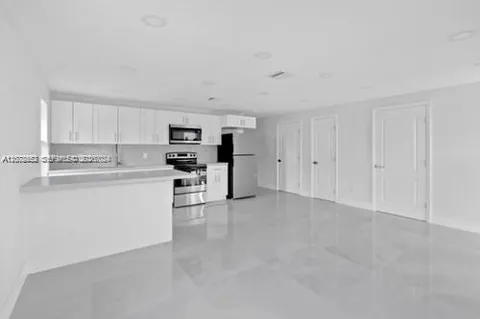
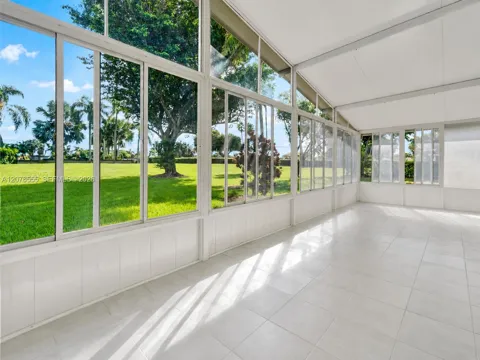
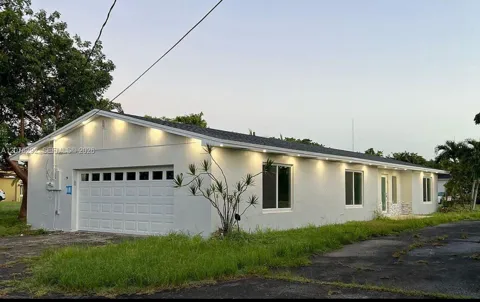
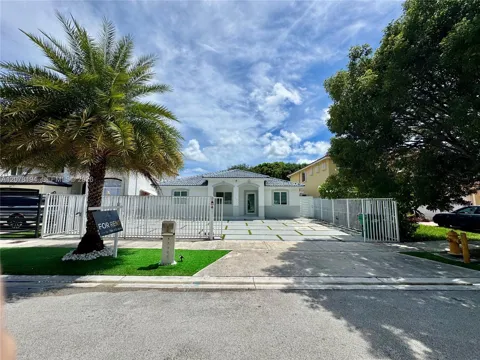
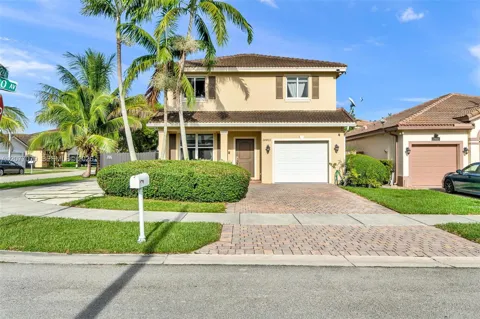
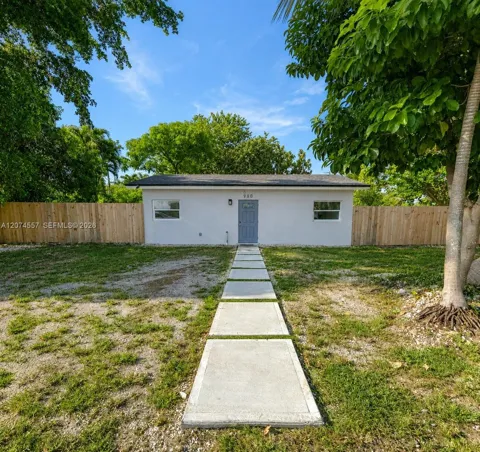
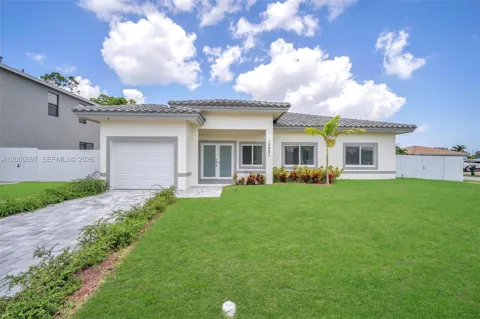
For sale
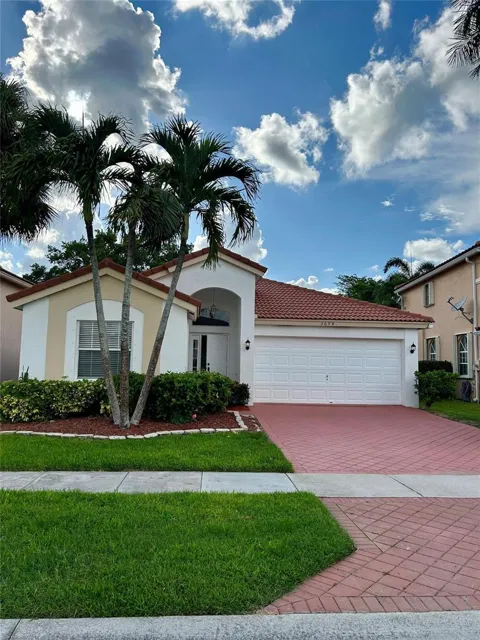
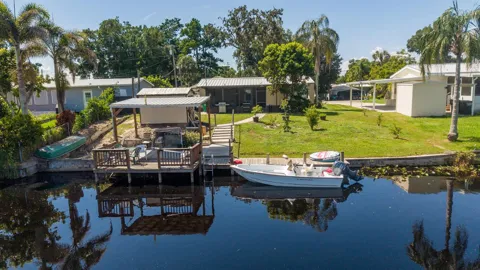
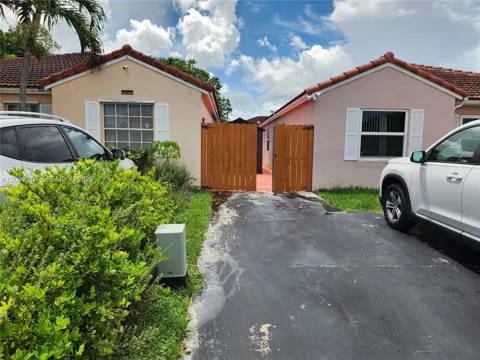
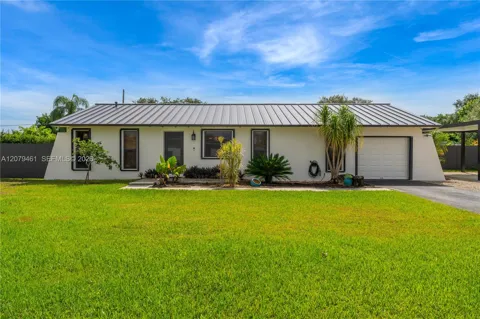
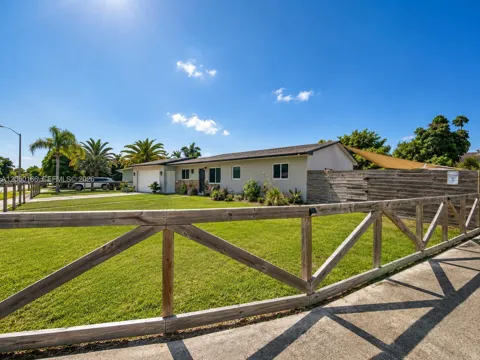
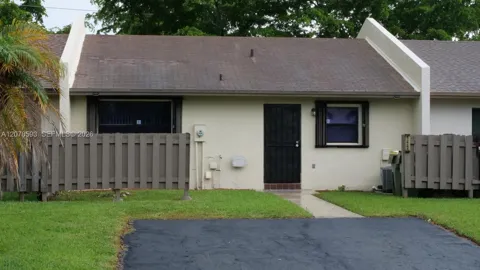
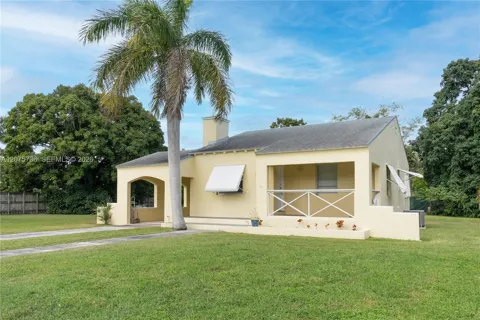
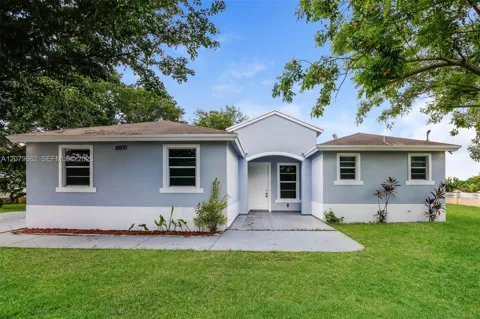
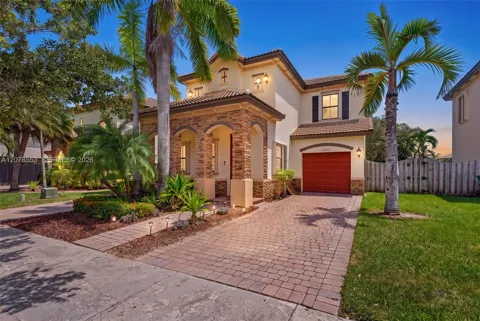
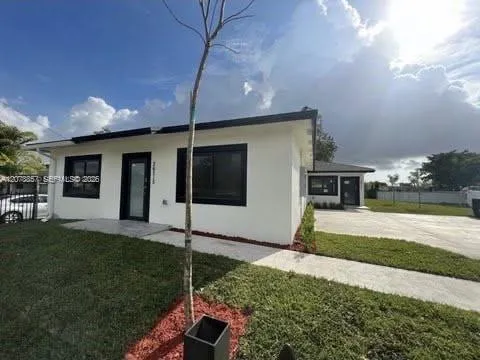
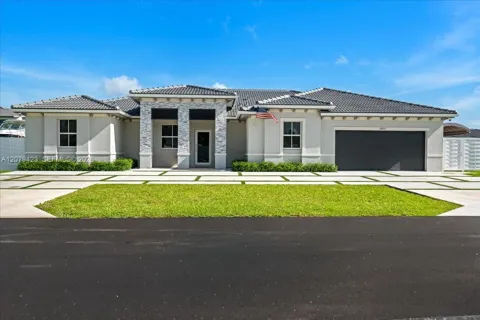
Houses in Homestead, FL
Handpicked properties hitting the scene in your area.
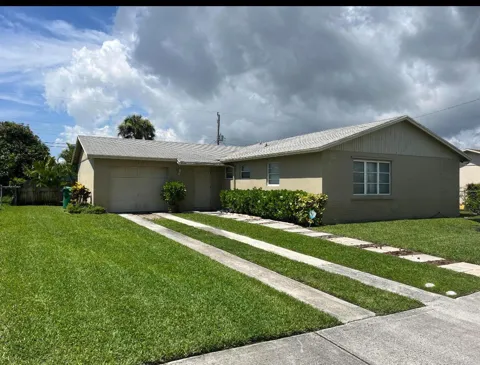
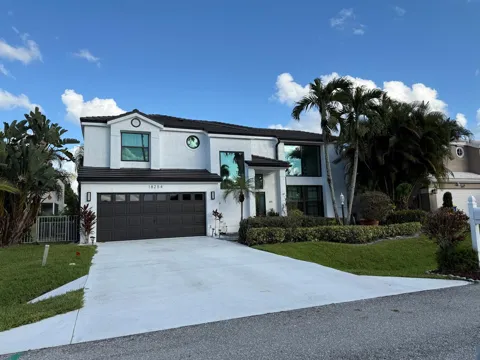
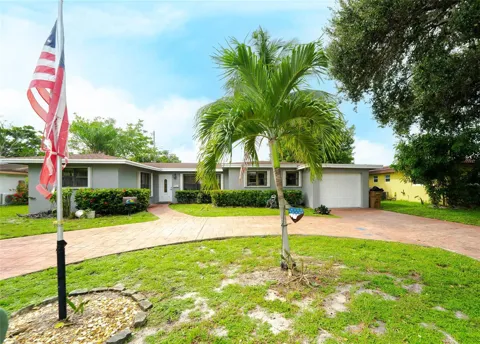
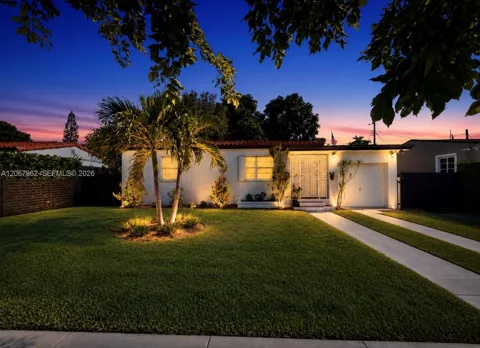
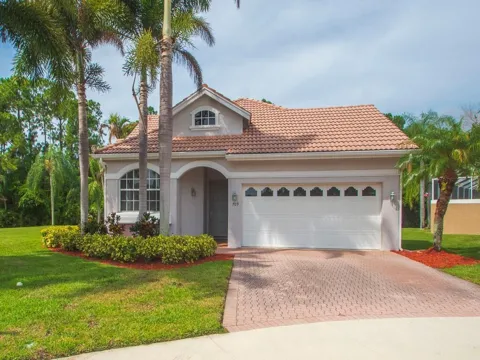
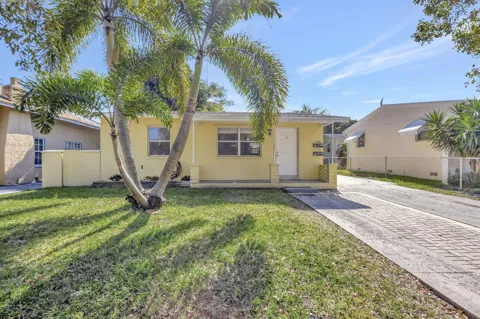
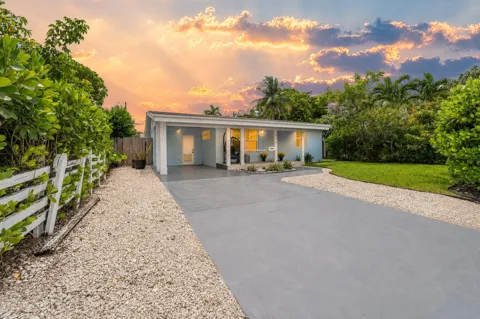
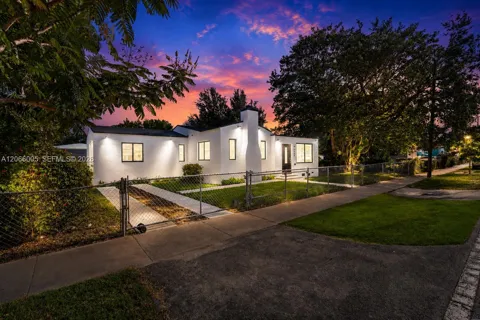
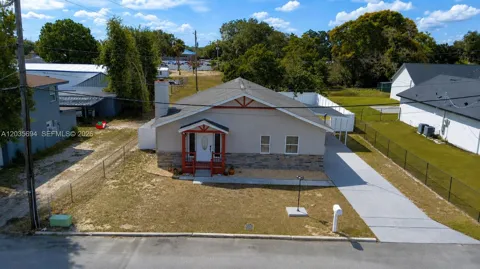
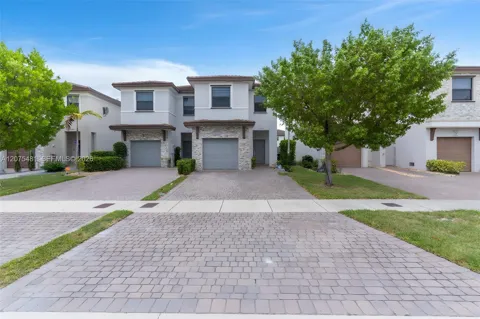
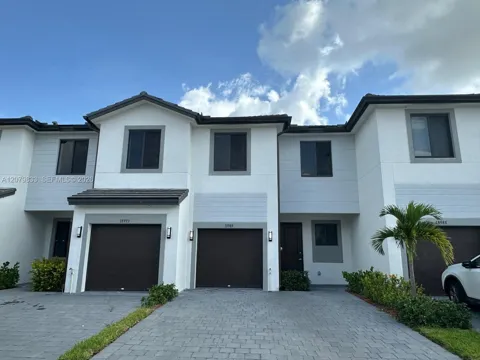
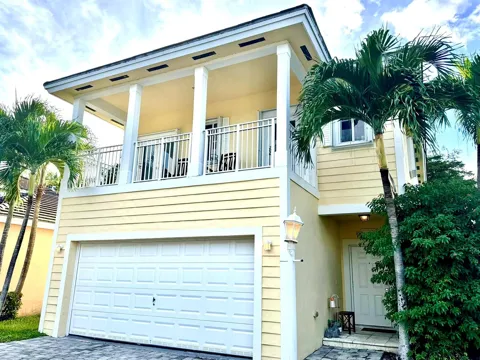
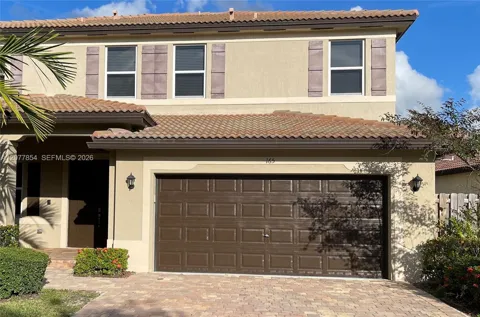
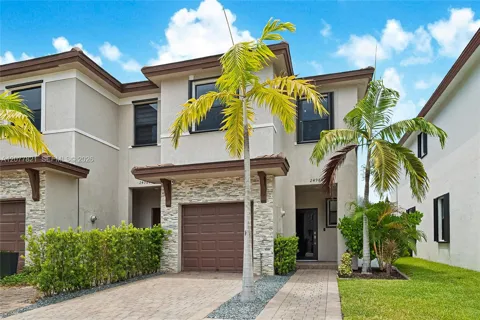
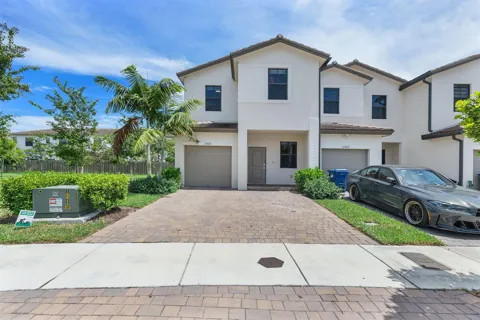
For sale
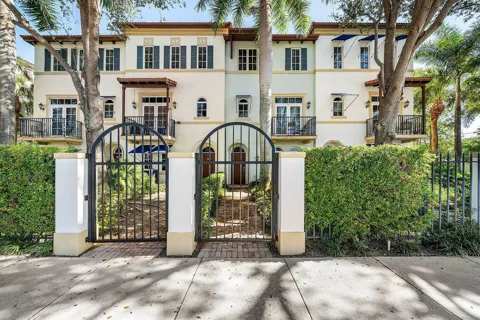
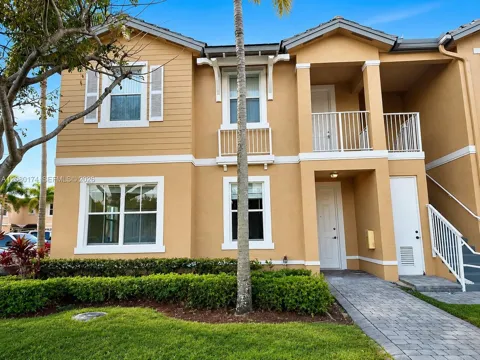
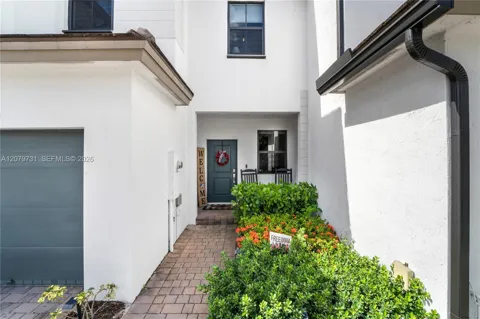
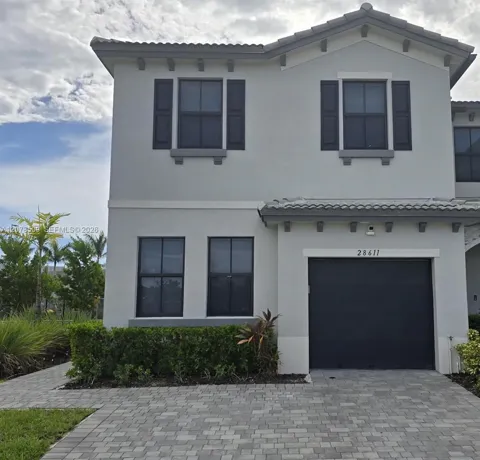
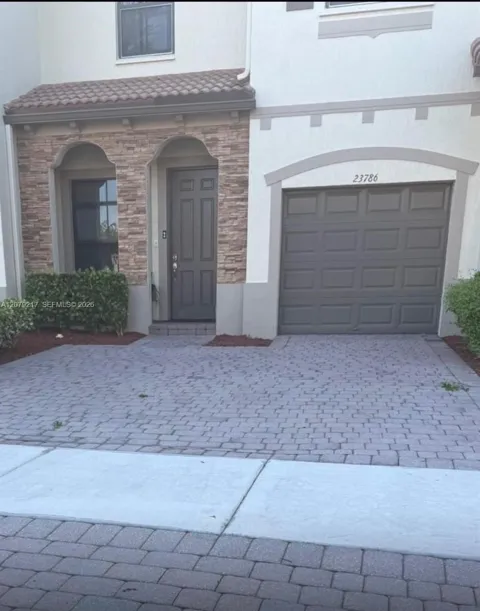
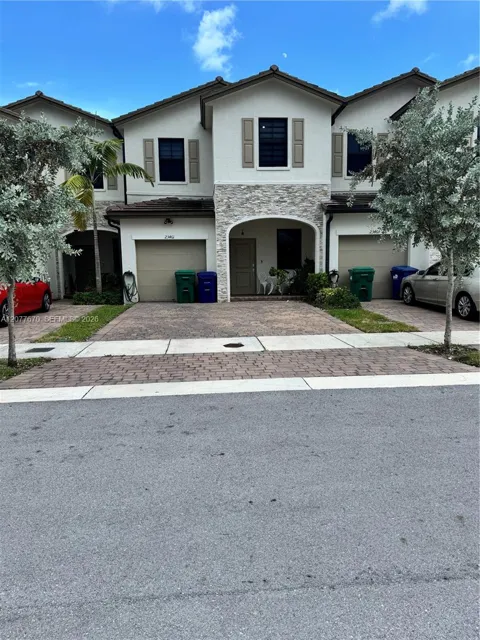
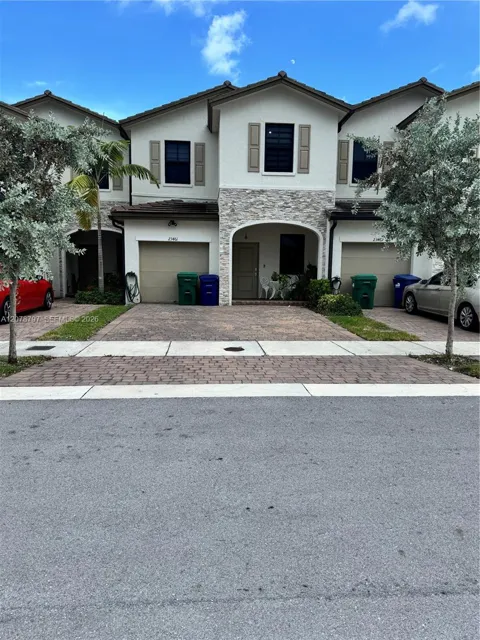
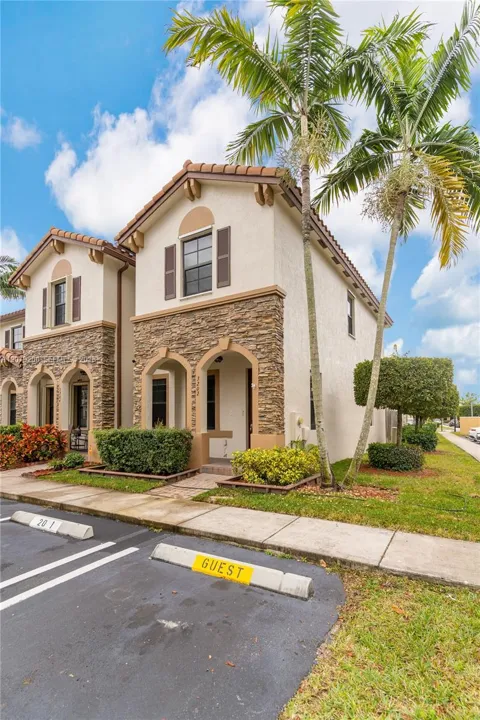
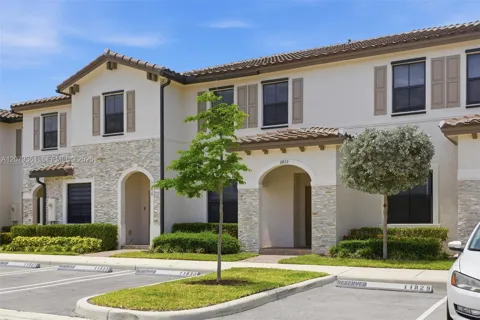
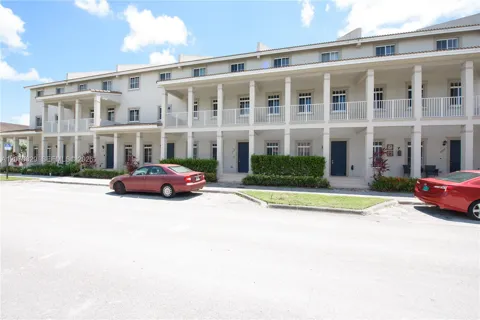
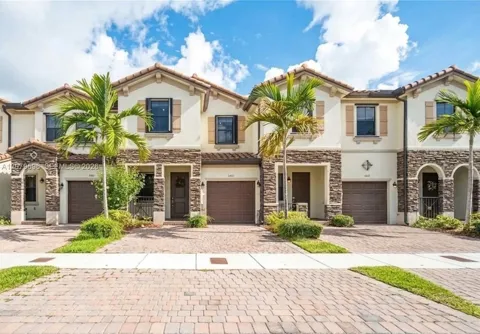
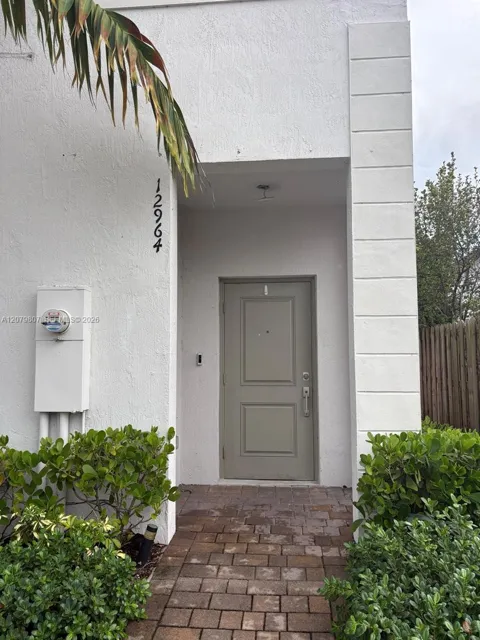
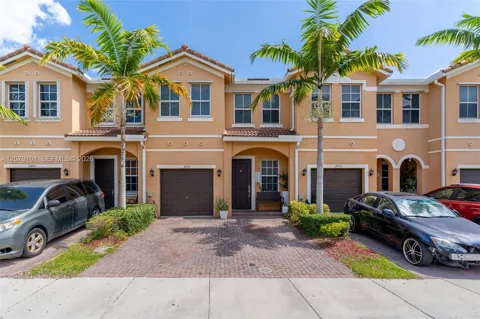
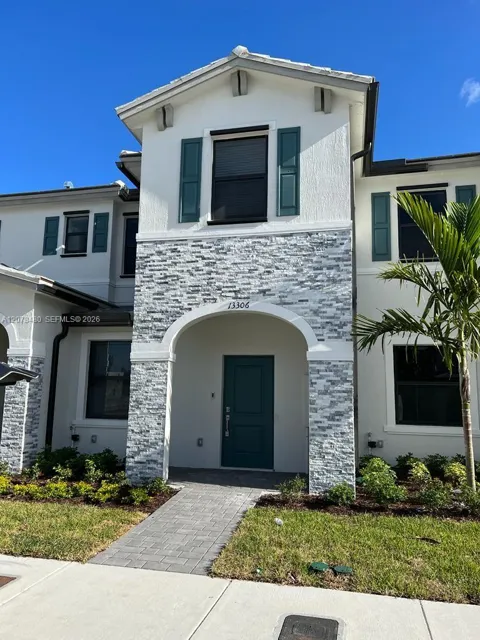
Townhomes in Homestead, FL
Handpicked properties hitting the scene in your area.
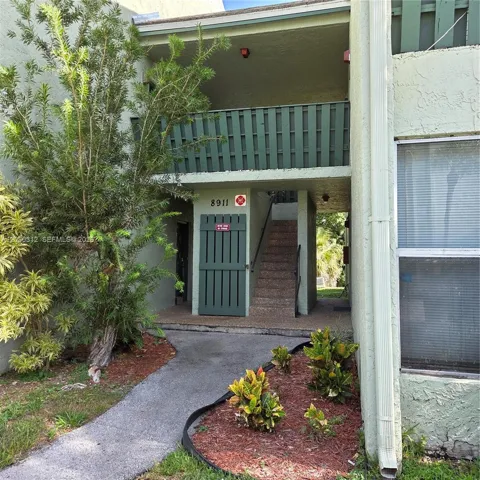
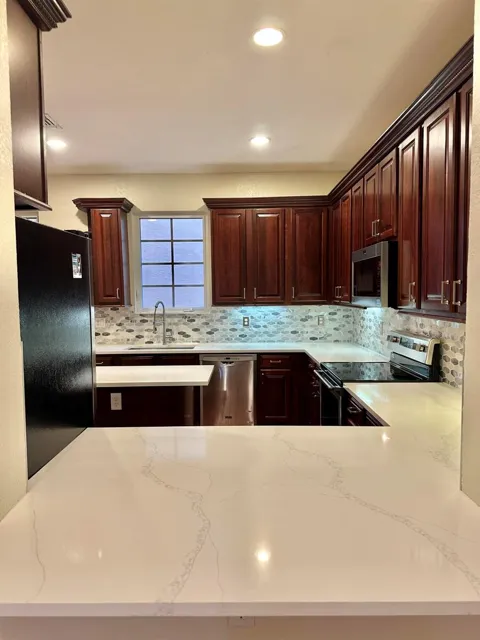
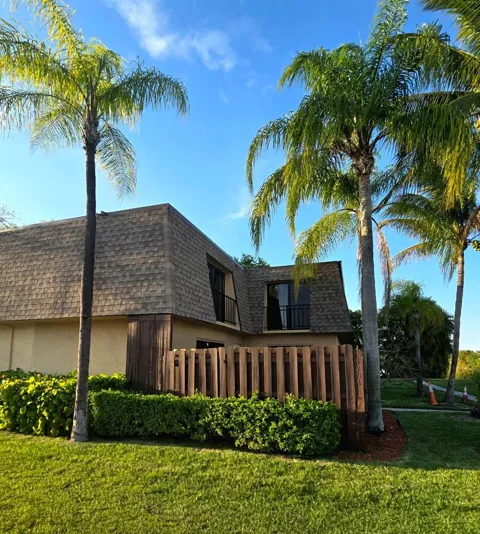
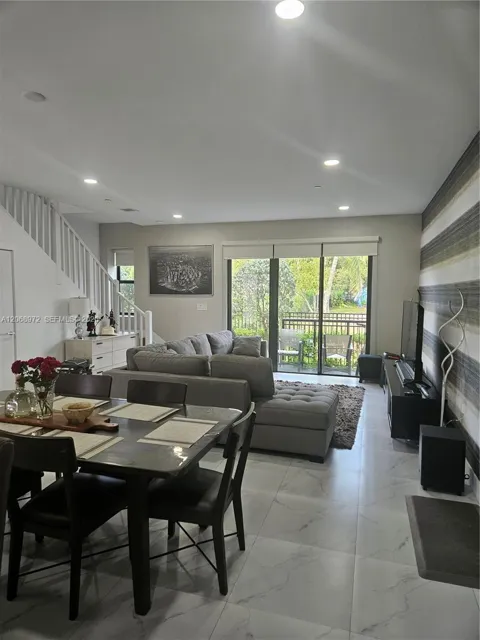
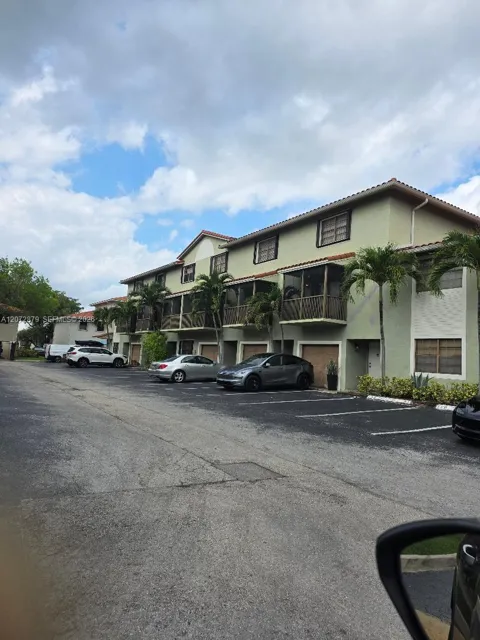
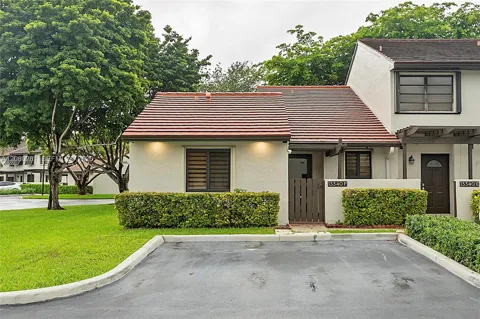
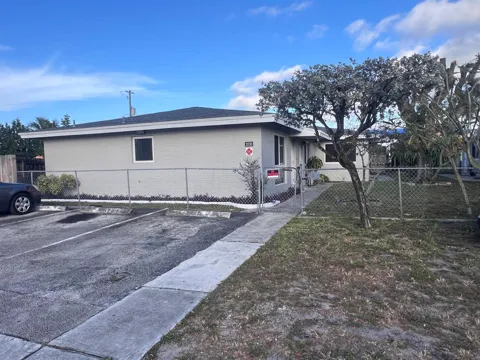
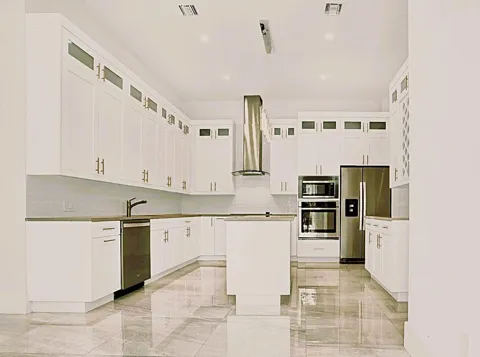
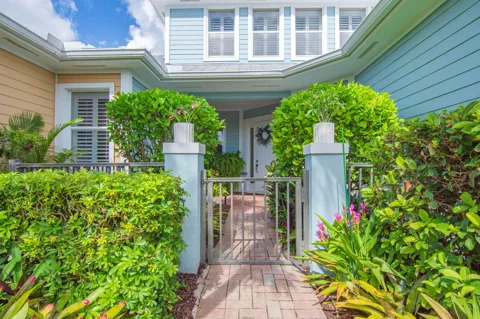
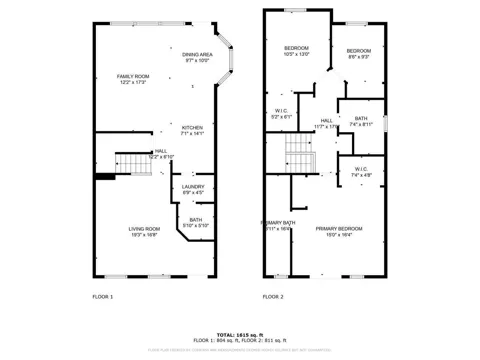
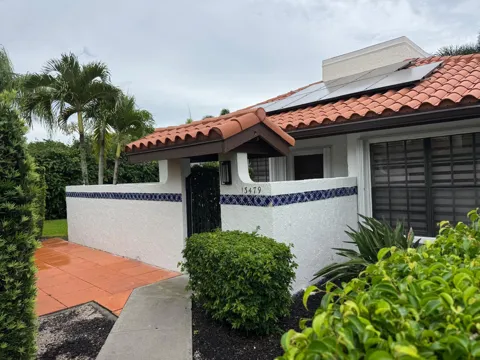
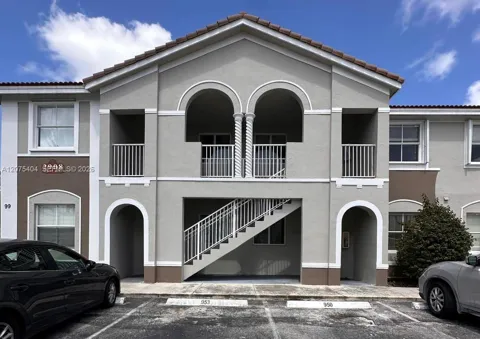
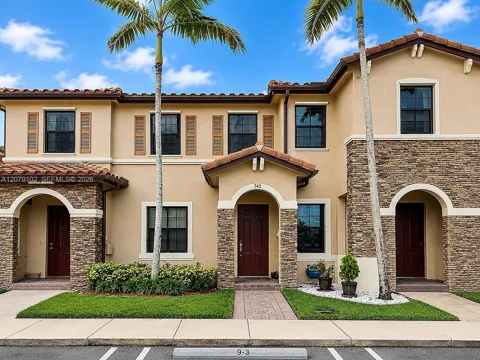
For sale
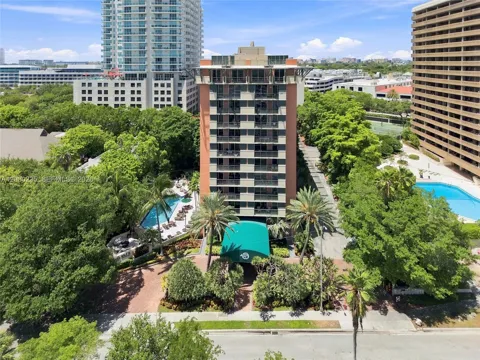
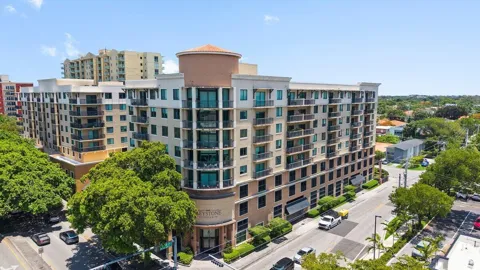
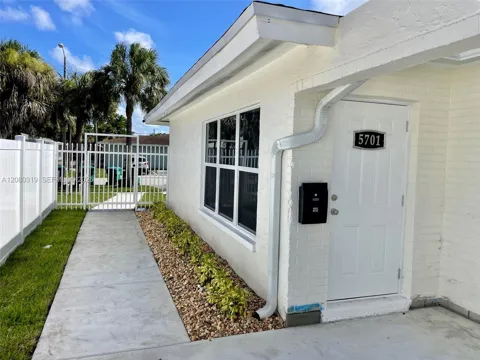
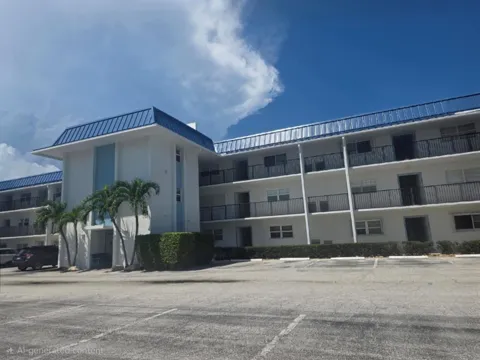
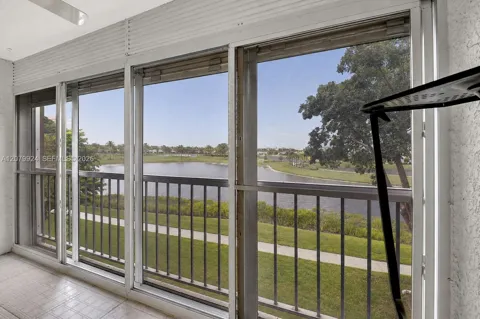
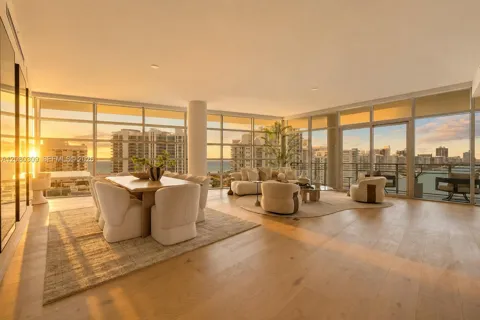
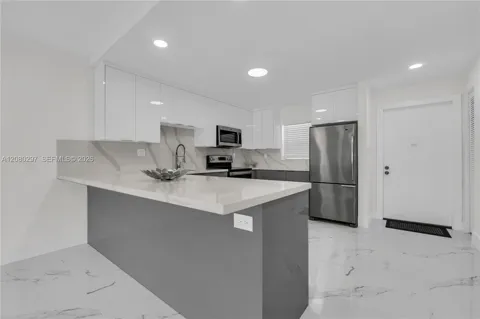
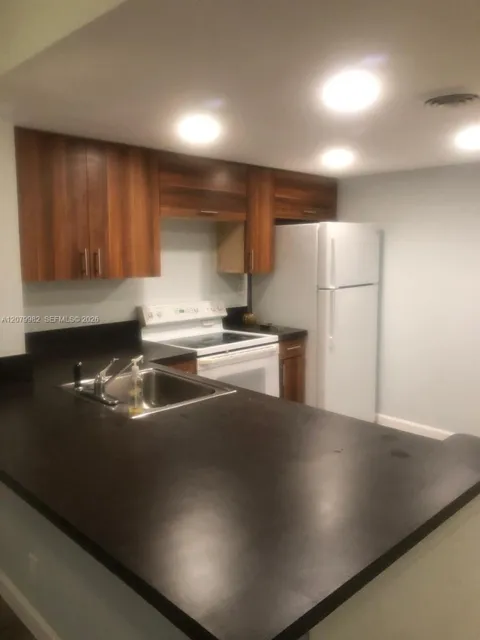
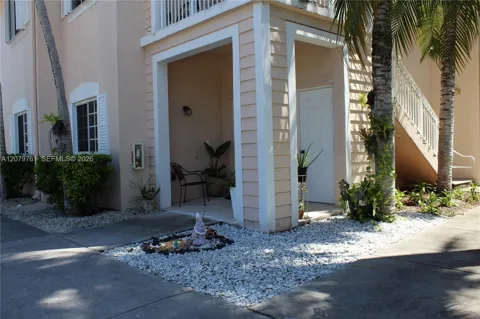
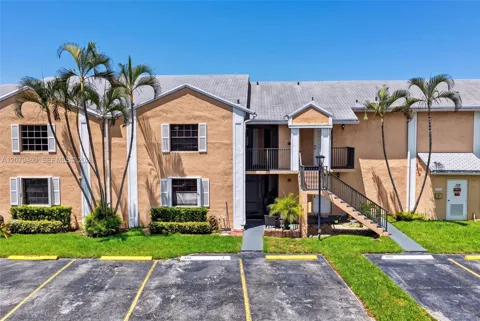
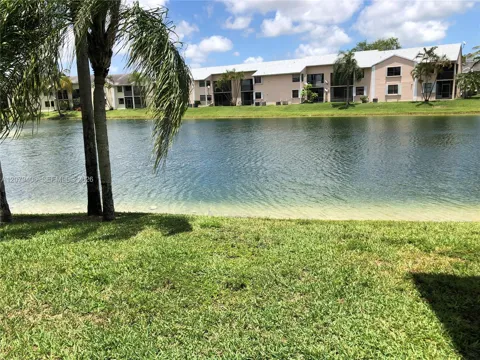
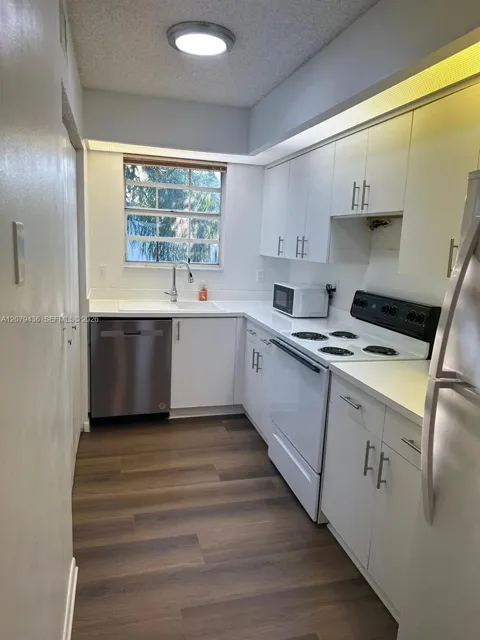
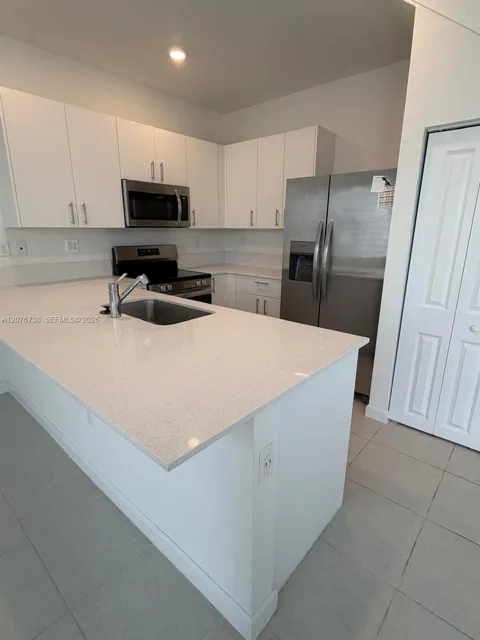
Condos in Homestead, FL
Handpicked properties hitting the scene in your area.
Zip Codes
BROWSE BY ZIP
Browse listings by postal code in this area.
- Grid
- Map
- List
78 SW 7th Street, Suite #800 Miami, FL 33130
City Guide
About Homestead
Real Estate & Housing
Homestead's housing stock reflects its rapid recent growth and its agricultural roots. The city combines older single-family homes near the historic downtown and along U.S. 1 with a large supply of newer construction — gated communities and master-planned subdivisions from national builders that have risen on former farmland. Townhome developments are also expanding, adding density near major corridors. Beyond the city limits, the Redland offers rural acreage, nurseries and estate-style properties. This mix means buyers can often find newer, larger homes here than in coastal Miami-Dade, though much of the newer stock sits in large planned communities rather than established tree-lined neighborhoods.
Neighborhoods
Homestead's neighborhoods range from its Historic Southwest Neighborhood near downtown to a ring of newer master-planned communities built on former agricultural land. The historic core retains early-twentieth-century homes and the Redland Hotel, a landmark from the city's railroad era. National builders such as Lennar and Richmond American have developed gated, amenity-rich subdivisions across the city, while townhome projects add density near commercial corridors. Surrounding the city, the Redland's unincorporated rural communities offer larger lots, groves and nurseries, and Florida City to the south serves as the mainland's gateway to the Florida Keys.
Lifestyle in Homestead
Homestead's lifestyle is anchored in the outdoors and its agricultural identity. Everglades National Park offers hiking, airboat tours and wildlife viewing minutes from town, while Biscayne National Park opens onto Biscayne Bay for boating, fishing and diving. Coral Castle, a hand-carved stone landmark, and Fruit and Spice Park, with its collection of tropical fruit trees, add unusual local attractions. The Homestead-Miami Speedway brings racing events, and the city's annual parade and rodeo reflect its rural roots. Dining spans Cuban and Latin American fare, farm-to-table spots tied to the Redland, and casual seafood near the bay.
Schools & Education
Public education in Homestead is provided by Miami-Dade County Public Schools, the largest school district in Florida and one of the largest in the nation. The district operates numerous elementary, middle and high schools across the Homestead area, including magnet programs that draw students from across the county. Charter and private schools add further options for families. Higher education is available through Miami Dade College's Homestead Campus, which offers associate degrees and workforce programs. Because the district is so large, families weighing the area typically evaluate individual school assignments, since campus quality and program offerings vary across neighborhoods.
Getting Around
Homestead is connected to the rest of South Florida by U.S. 1 and the Homestead Extension of Florida's Turnpike, the area's principal north-south corridors. The Turnpike extension begins at Florida City and runs north into the Miami area, serving both commuters and travelers, while U.S. 1 continues south through the Florida Keys. Commuting to Miami is realistic but traffic-dependent, with peak-hour congestion common on U.S. 1. Public transit is provided by Miami-Dade Transit bus routes, and the city sits roughly 26 miles from downtown Miami and about 25 miles from Key Largo, positioning it within reach of both the city and the Keys.
Parks & Recreation
Homestead is one of South Florida's strongest bases for outdoor recreation, sitting between two national parks. Everglades National Park, to the west, offers hiking, paddling, birding and airboat access to the River of Grass, while Biscayne National Park, to the east, protects coral reefs, islands and Biscayne Bay waters for snorkeling, diving and boating. Homestead Bayfront Park provides a sandy beach, swimming lagoon and marina, and the Redland's quiet farm roads are popular with cyclists. Fruit and Spice Park and nearby wineries and u-pick farms add agricultural recreation, and the Homestead-Miami Speedway anchors motorsports events.
About Homestead
Frequently asked questions
What county is Homestead in?
Homestead is in Miami-Dade County, Florida, about 26 miles southwest of downtown Miami. Incorporated in 1913, it is one of the county's oldest and largest cities and anchors the agricultural Redland district.
How far is Homestead from Miami?
Homestead sits about 26 miles southwest of downtown Miami, reached via U.S. 1 or the Homestead Extension of Florida's Turnpike. Commute times vary with traffic, and peak-hour congestion on U.S. 1 can lengthen the drive.
What national parks are near Homestead?
Homestead sits between Biscayne National Park to the east and Everglades National Park to the west. Both parks are within minutes of the city and offer boating, hiking, wildlife viewing, paddling and diving.
What school district serves Homestead?
Homestead is served by Miami-Dade County Public Schools, Florida's largest school district, which operates numerous schools across the area including magnet programs. Miami Dade College's Homestead Campus provides higher education and workforce programs.
Is Homestead a good base for the Florida Keys?
Yes. Homestead lies about 25 miles northwest of Key Largo, and U.S. 1 runs south from nearby Florida City into the Keys, making the city a convenient mainland gateway for trips to the island chain.
What is Homestead known for?
Homestead is known for its agricultural Redland district, its location between Everglades and Biscayne national parks, and attractions such as the Homestead-Miami Speedway, Coral Castle and the Fruit and Spice Park tropical-fruit collection.
Still have questions about Homestead?
Get in touchExplore the area