Village by the Sea in Palm Beach County
Listings in Delray Beach, FL
Welcome to Delray Beach, Palm Beach County's "Village by the Sea," where Atlantic Avenue's dining and arts scene and the Morikami Museum and Japanese Gardens sit just minutes from the ocean.
Delray Beach is a coastal city in Palm Beach County, Florida, on the Atlantic Ocean roughly midway between Boca Raton to the south and Boynton Beach to the north. With roughly 68,000 residents, it long carried the nickname "Village by the Sea," and it still feels like a small town that grew into one of South Florida's most distinctive cities. Settled as a farming community in the late nineteenth century, the town prospered on citrus, winter vegetables, and gladiolus flowers, and it became a winter colony for artists and writers before adopting the Delray Beach name in 1927. The city's centerpiece is Atlantic Avenue, a walkable main street that runs from the Intracoastal Waterway east to the ocean, lined with independent restaurants, cafés, bars, and shops. Just off the avenue, the Pineapple Grove Arts District adds galleries, murals, and studios, giving Delray Beach a reputation as a dining and arts destination that draws visitors from across the region. The downtown's energy is balanced by quieter residential streets and historic districts, where prewar architecture and mature landscaping prevail. Delray Beach's cultural identity also includes the Morikami Museum and Japanese Gardens, built on the former Yamato Colony, an early twentieth-century settlement of Japanese farmers. When George Morikami, the colony's last remaining member, donated his 200-acre farm to Palm Beach County, it became one of the region's most serene cultural institutions, with traditional gardens and museum exhibits. Geography shapes daily life. The Atlantic Ocean and a two-mile municipal beach anchor the eastern edge, the Intracoastal Waterway runs north-south just inland, and I-95, Florida's Turnpike, and a Tri-Rail commuter station give residents fast connections to Boca Raton, West Palm Beach, and Fort Lauderdale. For many, Delray Beach offers the best of South Florida's coastal lifestyle in a compact, walkable, and historically rooted package.

Get more information about Delray Beach
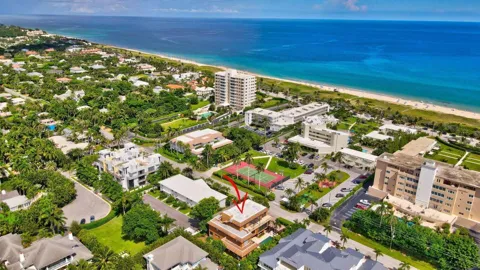
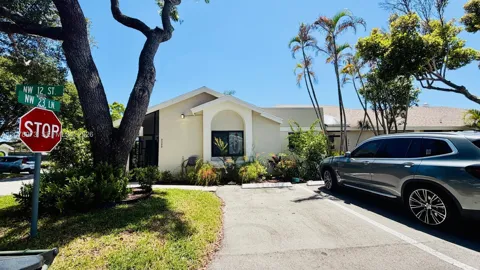
Houses in Delray Beach, FL
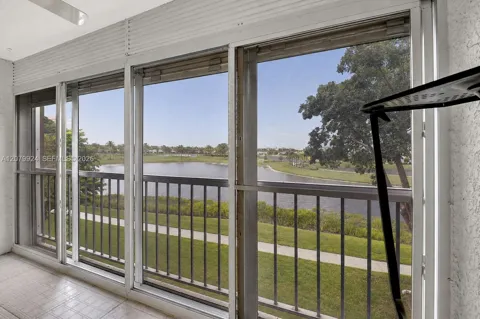
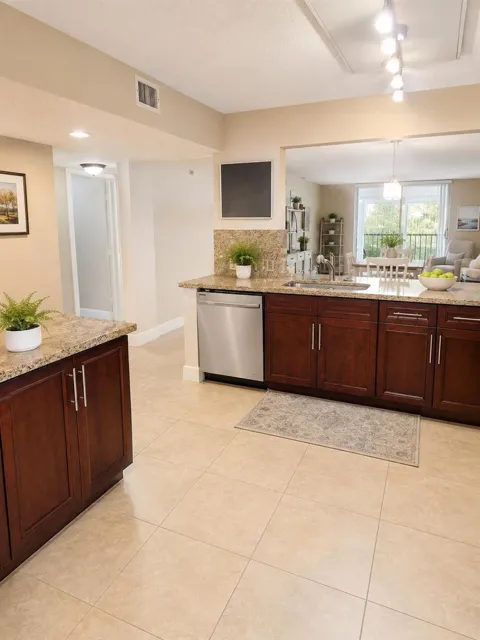
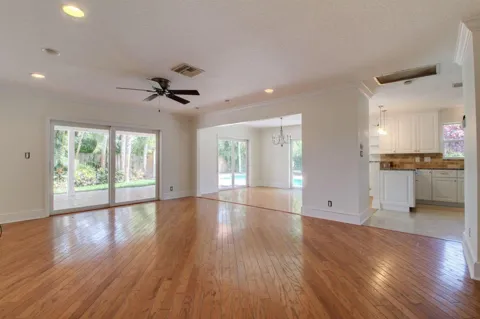
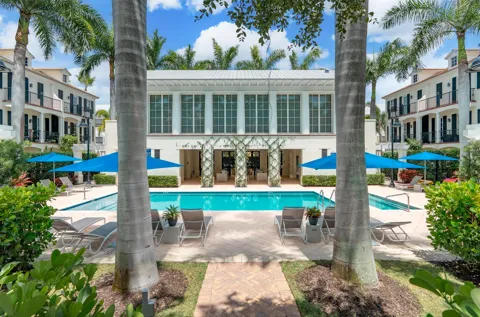
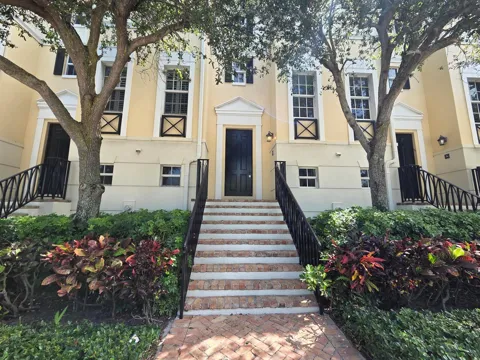
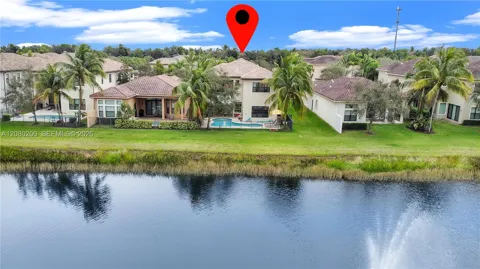
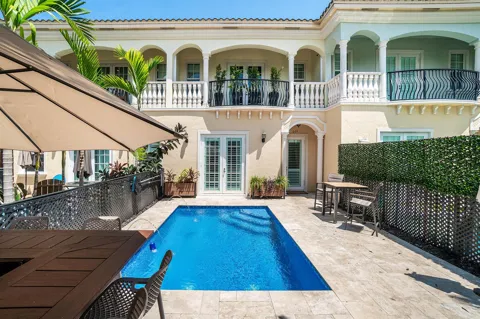
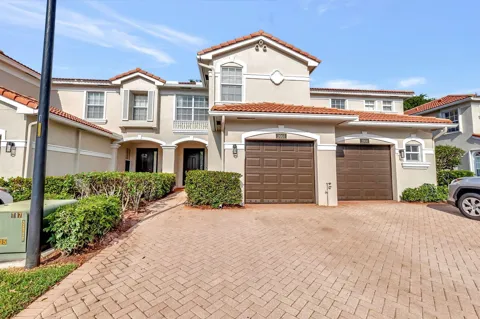
Townhouses & Duplexes in Delray Beach, FL
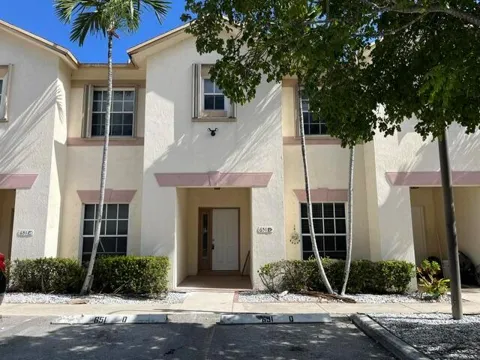
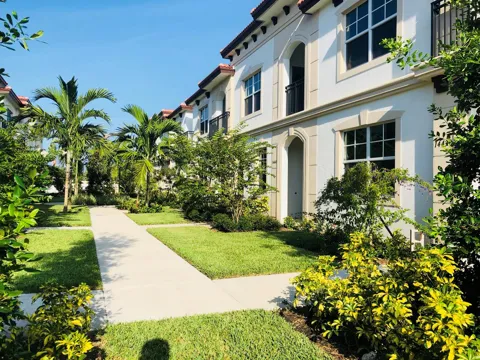
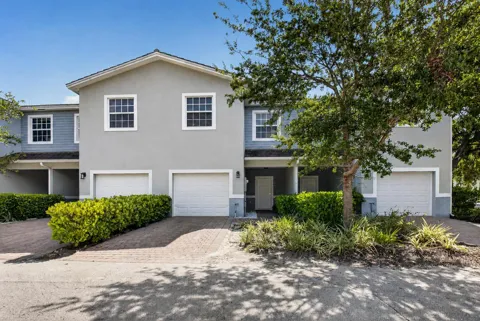
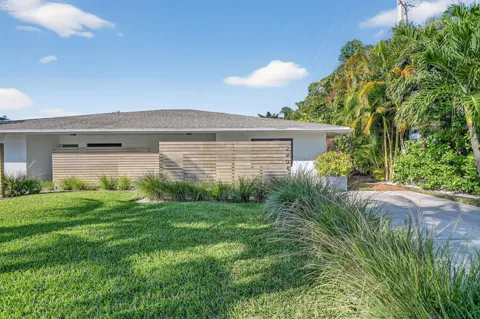
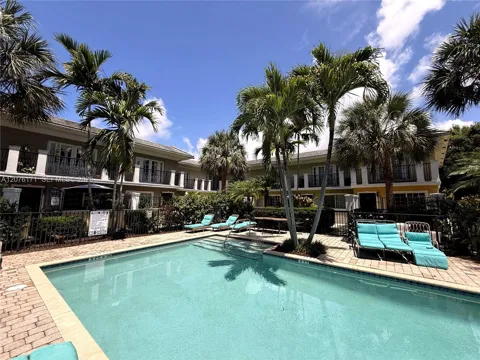
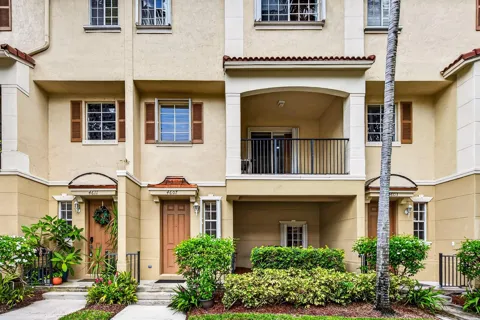
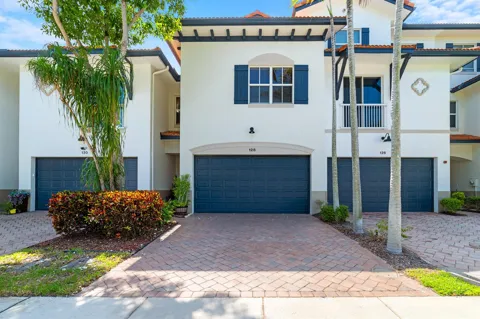
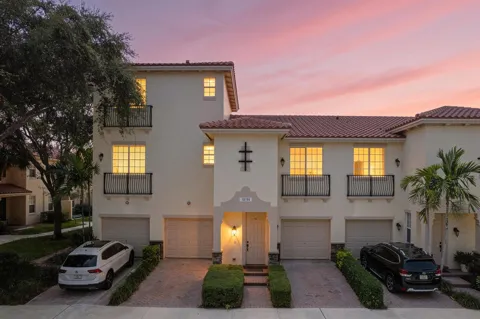
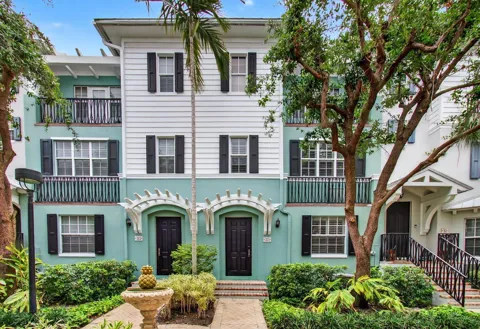
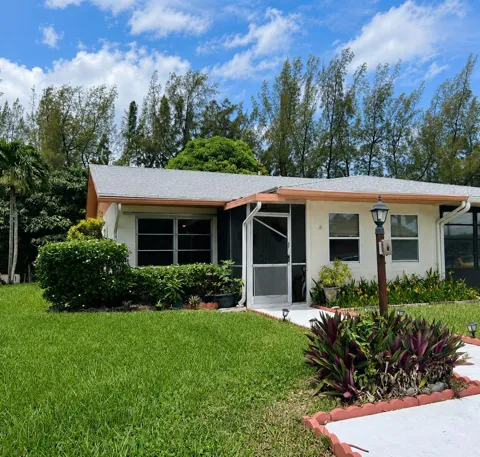
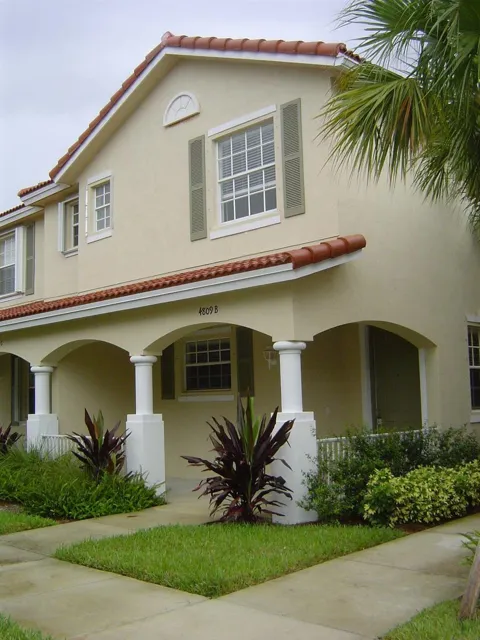
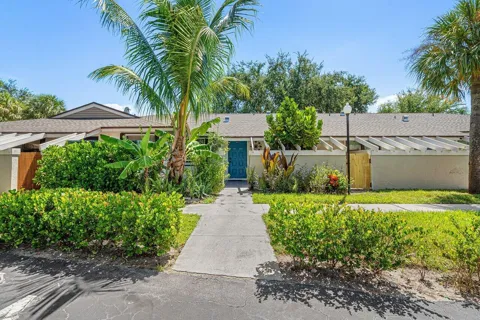
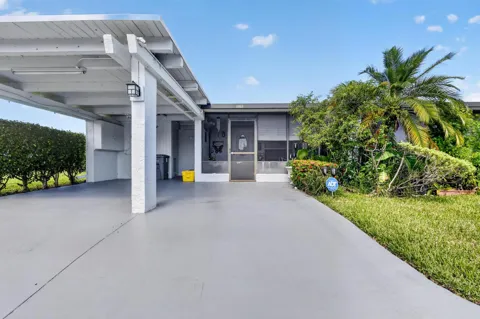
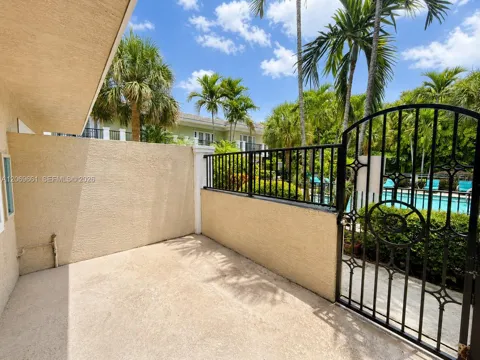
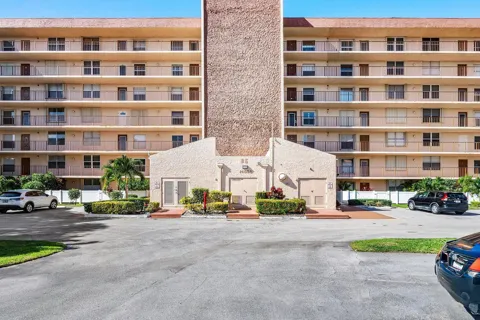
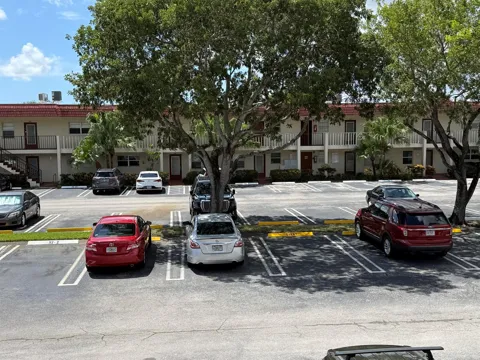
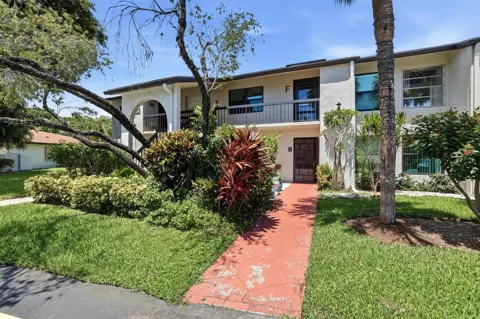
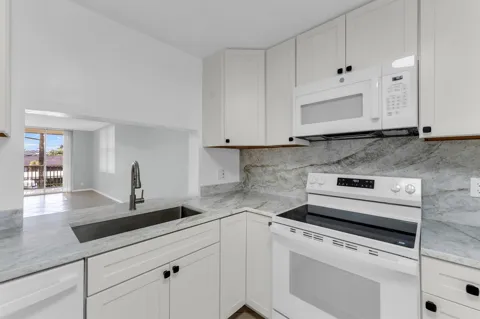
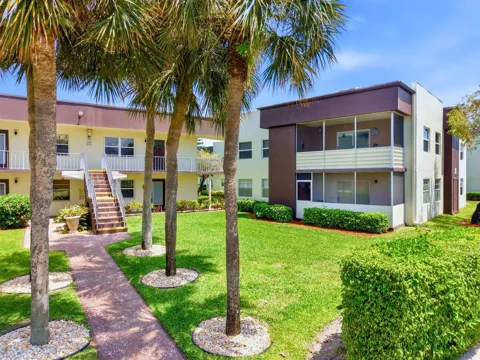
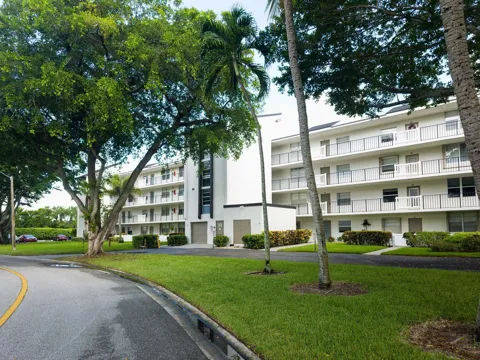
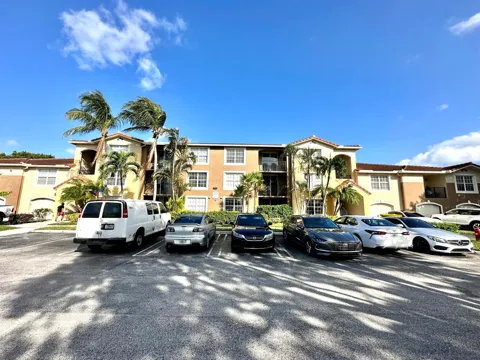
Condos & Apartments in Delray Beach, FL
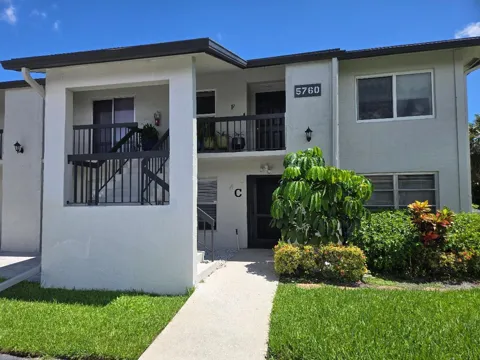
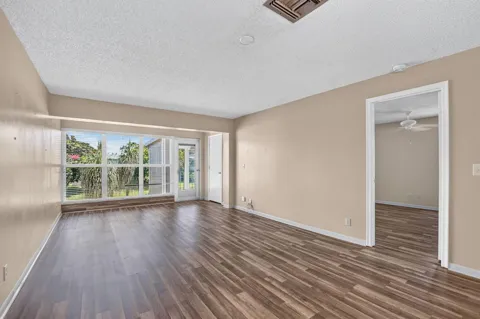
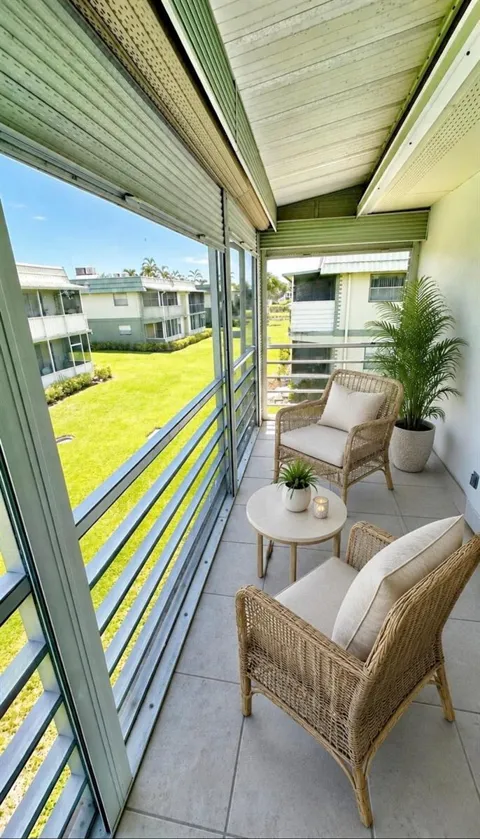
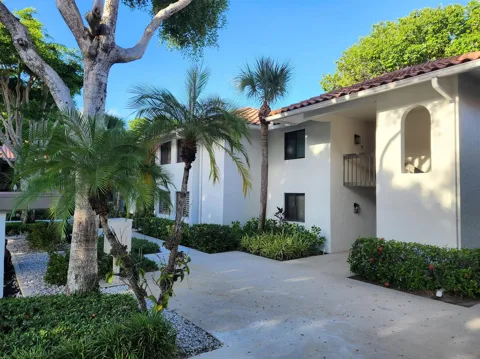
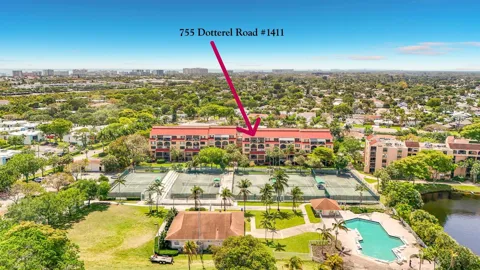
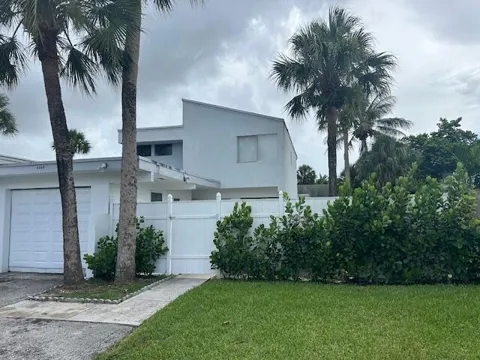
For Rent in Delray Beach, FL
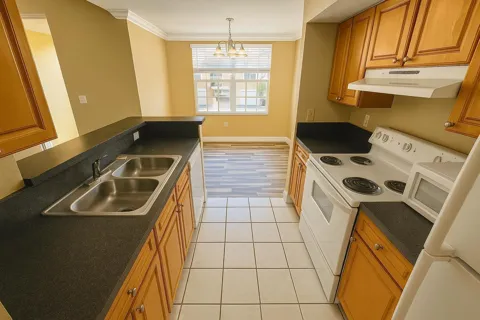
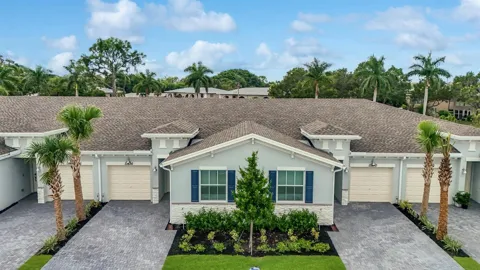
Lots & Land in Delray Beach, FL
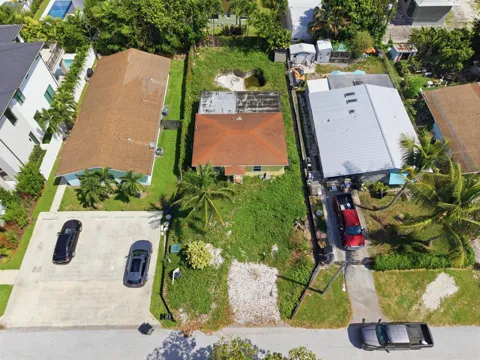
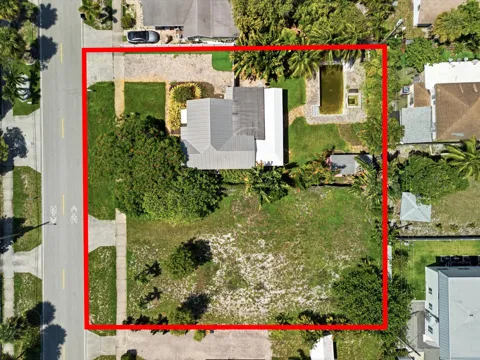
MARKET SNAPSHOT
The Market at a Glance
How homes have been selling here over the last 90 days.
Price & Sales History
Market data reflects closed sales over the last 90 days and is provided for informational purposes.
Zip Codes
BROWSE BY ZIP
Browse listings by postal code in this area.
- Grid
- Map
- List
City Guide
About Delray Beach
Real Estate & Housing
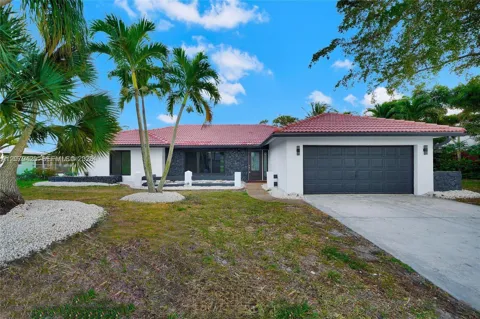
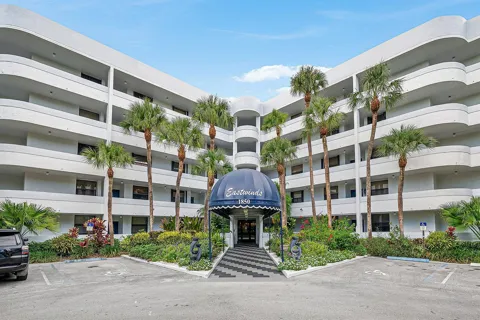
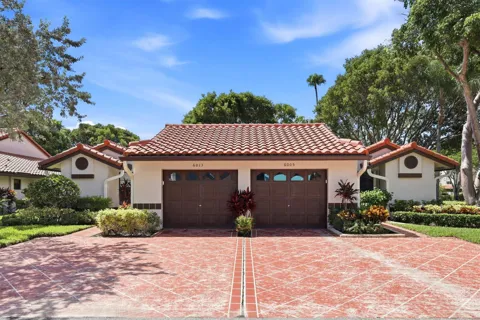
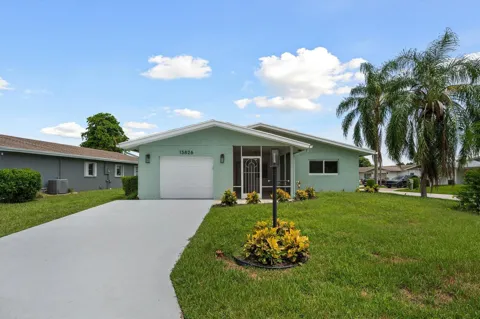
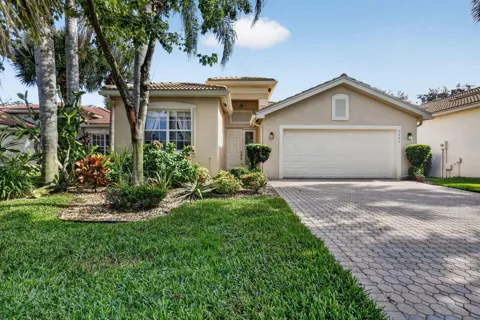
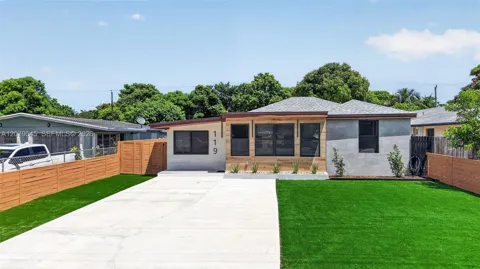
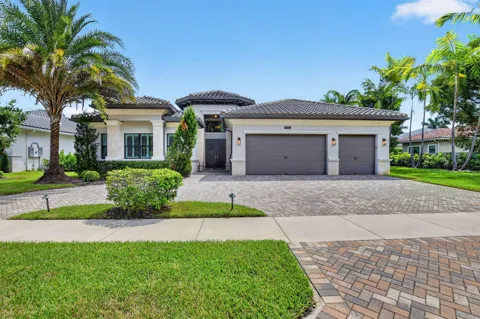
Delray Beach's housing stock spans more than a century of South Florida styles. Its five historic districts — including Old School Square, the Marina District, and Del-Ida Park — preserve 1920s and 1930s Mediterranean Revival, Mission, Art Deco, and Craftsman bungalow homes, often within walking distance of Atlantic Avenue and the Intracoastal. East of Federal Highway, neighborhoods such as Seagate offer a mix of mid-century ranches and newer custom homes close to the beach, while the western neighborhoods around Lake Ida feature larger lots, waterfront properties, and gated communities. Condominiums line the oceanfront and downtown corridors. The result is a market of historic cottages, Intracoastal and lakefront homes, and modern condos, catering to a wide range of buyers drawn to the coast.
Neighborhoods
Delray Beach is organized around the east-west spine of Atlantic Avenue. Downtown and the Pineapple Grove Arts District offer a walkable mix of apartments, townhomes, and historic properties amid galleries and restaurants. East of Federal Highway, the beachside neighborhoods — including the non-gated Seagate area — hold single-family homes close to the ocean and the Intracoastal Waterway. The city's historic districts, such as Del-Ida Park, the Marina District, Old School Square, Nassau Park, and West Settlers, protect early twentieth-century architecture and give central Delray its character. To the west, the Lake Ida area is known for lakefront homes, boating access, and larger lots, while newer gated communities spread toward the Turnpike. Each district offers a different balance of walkability, water access, and space.
Lifestyle in Delray Beach
Delray Beach is one of South Florida's best-known dining and arts towns. Atlantic Avenue runs from the Intracoastal to the ocean and is lined with independent restaurants, cafés, bars, and boutiques, while the Pineapple Grove Arts District adds galleries, murals, and studios a block north. The city supports a year-round calendar of art walks, festivals, and markets anchored by Old School Square and downtown institutions. Residents pair that urban energy with beach life: the municipal beach and Atlantic Dunes Park provide swimming, surfing, and sunsets within walking or biking distance of many neighborhoods. The Morikami Museum and Japanese Gardens offers a quieter cultural retreat. With Boca Raton's shopping and West Palm Beach's entertainment nearby, Delray Beach serves as a lively, self-contained base on the coast.
Schools & Education
Delray Beach is served by the School District of Palm Beach County, the eleventh-largest school district in the nation and the fifth-largest in Florida, operating about 185 schools for more than 177,000 students. The district assigns students by residential attendance zone and offers a broad menu of magnet, choice, and career programs alongside neighborhood schools. Delray Beach families also have access to a variety of private, parochial, and charter options in the city and nearby Boca Raton. For higher education, Palm Beach State College and Florida Atlantic University in Boca Raton are within a short drive. As in any large district, families should confirm zoning for a specific address, but the scale of Palm Beach County's system provides considerable program variety.
Getting Around
Delray Beach sits along I-95, with the Atlantic Avenue interchange (exit 52B) serving downtown and the beach, and Florida's Turnpike running a few miles west for longer trips. The city's Tri-Rail station on South Congress Avenue offers commuter rail service linking Delray Beach to West Palm Beach, Fort Lauderdale, and Miami, with free parking for riders. U.S. 1 (Federal Highway) and the Intracoastal bridges connect the downtown to the oceanfront. Boca Raton is roughly 10 to 15 minutes south, West Palm Beach about 25 minutes north, and Palm Beach International Airport is reachable by car in about 20 to 25 minutes. Within the city, Atlantic Avenue and the beachfront are highly walkable and bike-friendly.
Parks & Recreation
Delray Beach's recreation centers on its two-mile municipal beach, backed by Atlantic Dunes Park and the Intracoastal Waterway, where residents swim, surf, paddle, and boat year-round. The Morikami Museum and Japanese Gardens offers 200 acres of gardens, trails, and cultural exhibits on the city's west side. Downtown, Old School Square hosts concerts, theater, and art exhibitions in restored 1920s school buildings, while the Pineapple Grove Arts District and Atlantic Avenue provide a walkable backdrop for festivals and markets. Public parks, tennis and pickleball facilities, golf courses, and the nearby Arthur R. Marshall Loxahatchee National Wildlife Refuge extend the outdoor options. The combination of oceanfront, Intracoastal, and garden settings gives the city an unusually varied recreation landscape.
About Delray Beach
Frequently asked questions
What is Delray Beach known for?
Delray Beach is known for Atlantic Avenue, a walkable main street of independent restaurants, shops, and galleries that runs to the ocean, plus the adjacent Pineapple Grove Arts District. The city also features the Morikami Museum and Japanese Gardens, historic residential districts, and a two-mile municipal beach. Its long-standing nickname is the 'Village by the Sea.'
What county is Delray Beach, Florida in?
Delray Beach is in Palm Beach County, on Florida's southeastern Atlantic coast, between Boca Raton to the south and Boynton Beach to the north. It sits roughly 25 miles north of Fort Lauderdale and about 25 miles south of West Palm Beach.
What school district serves Delray Beach?
Delray Beach is served by the School District of Palm Beach County, the eleventh-largest school district in the nation and the fifth-largest in Florida, with about 185 schools and more than 177,000 students. Students are zoned by residential address, and magnet, choice, and private school options add further variety.
How far is Delray Beach from Boca Raton and West Palm Beach?
Delray Beach sits between the two cities. Boca Raton is about 10 to 15 minutes south by car, and West Palm Beach is about 25 minutes north. Palm Beach International Airport near West Palm Beach is roughly 20 to 25 minutes away, and I-95 plus Tri-Rail commuter rail connect the region.
Does Delray Beach have a downtown?
Yes. Downtown Delray Beach centers on Atlantic Avenue, a walkable corridor of restaurants, cafés, boutiques, and nightlife running from the Intracoastal Waterway to the beach. The Pineapple Grove Arts District sits a block north, and Old School Square anchors the area's arts and cultural programming.
What is the Morikami Museum and Japanese Gardens?
The Morikami Museum and Japanese Gardens is a cultural institution built on the former Yamato Colony, an early twentieth-century Japanese farming settlement. George Morikami, the colony's last remaining member, donated his 200-acre farm to Palm Beach County, and today the site features traditional Japanese gardens, museum exhibits, and cultural programs.
Still have questions about Delray Beach?
Get in touchExplore the area