Art Deco Beach Resort City
Listings in Miami Beach, FL
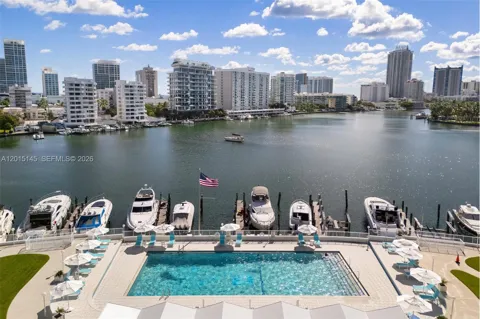
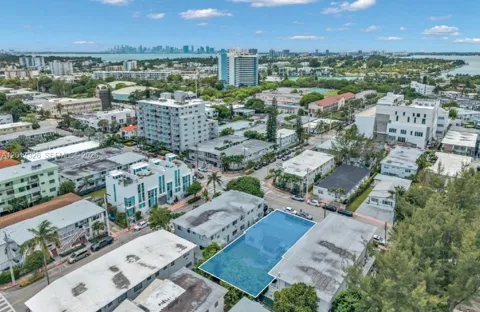
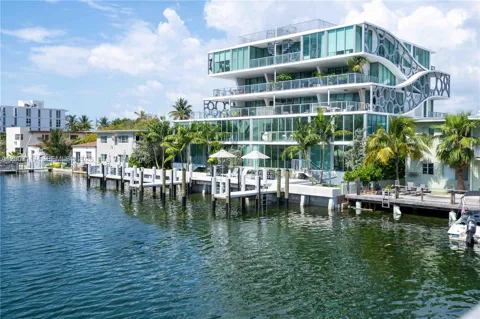
Welcome to Miami Beach, a barrier-island city between Biscayne Bay and the Atlantic Ocean, known for its Art Deco Historic District, South Beach shoreline, and pedestrian-friendly Lincoln Road.
Miami Beach is a barrier-island city in Miami-Dade County, Florida, set between Biscayne Bay on the west and the Atlantic Ocean on the east. Roughly 82,000 residents live in the city, but its international profile far exceeds its population, drawing visitors from around the world to its beaches, architecture, dining, and nightlife. The city grew in the early 20th century as a beachfront resort, and its boom years in the 1920s and 1930s produced the Art Deco, Mediterranean Revival, and Miami Modern buildings that remain its signature. The Miami Beach Architectural District — better known as the Art Deco Historic District — in South Beach holds one of the largest concentrations of Art Deco architecture anywhere, with hundreds of pastel, neon-trimmed buildings clustered along Ocean Drive, Collins Avenue, and Washington Avenue. The district was listed on the National Register of Historic Places in 1979, and its preservation transformed South Beach from a faded resort into a global destination. Miami Beach is a dense, walkable city with a mix of full-time residents, seasonal residents, and visitors. Its neighborhoods range from the historic hotels and condominiums of South Beach to the quieter residential areas of Mid-Beach and North Beach. Lincoln Road, a ten-block pedestrian mall, anchors shopping and dining, while the beachfront itself — a continuous public strand backed by Lummus Park and the Beach Walk — is the city's defining open space. Tourism and hospitality anchor the local economy, and the Miami Beach Convention Center hosts Art Basel Miami Beach, North America's largest international contemporary art fair, each December. Public schools are part of Miami-Dade County Public Schools, one of the largest districts in the United States. The city connects to the mainland by a series of causeways — the MacArthur, Julia Tuttle, and Venetian among them — placing downtown Miami, its employment centers, and Miami International Airport within a short drive. Miami Beach suits people who want urban density, oceanfront living, and a cosmopolitan, round-the-clock atmosphere.

Get more information about Miami Beach
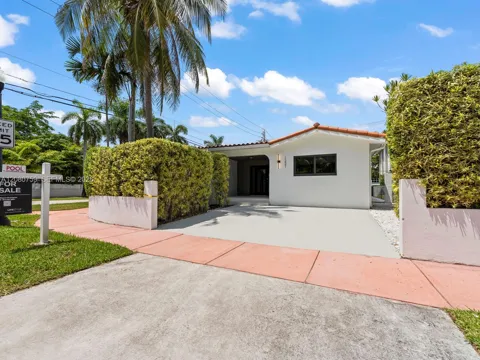
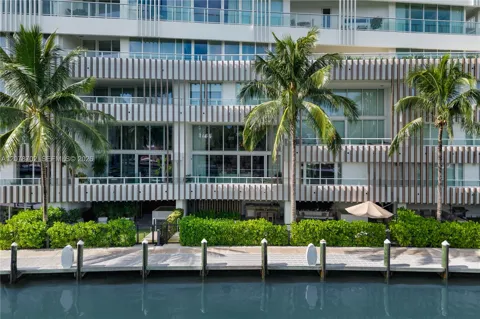
Houses in Miami Beach, FL
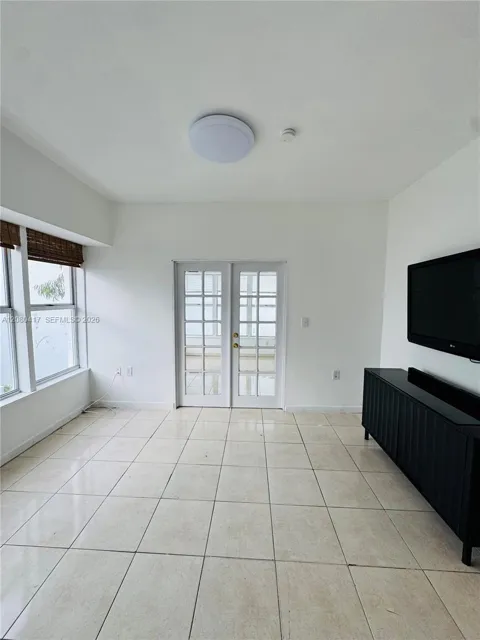
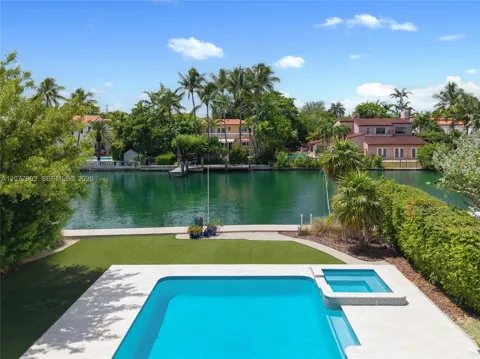
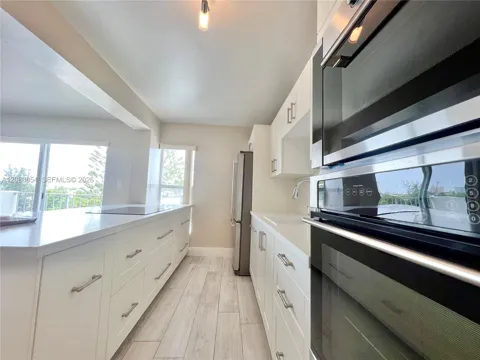
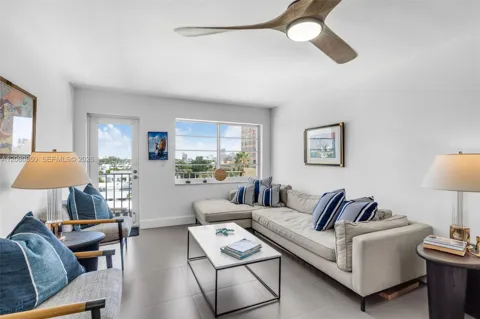
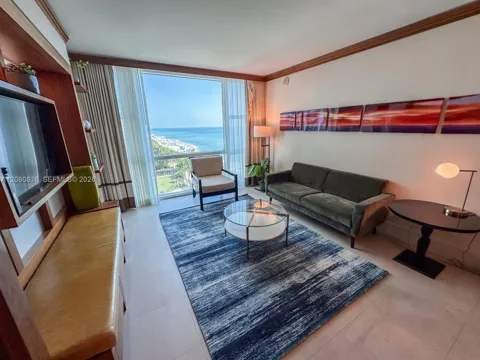
Townhouses & Duplexes in Miami Beach, FL
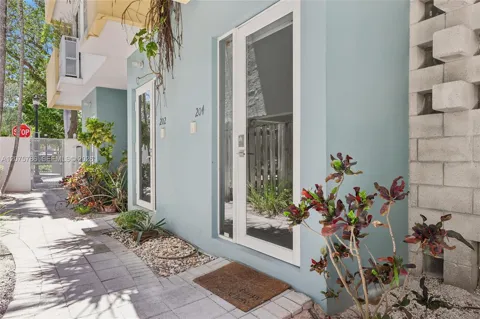
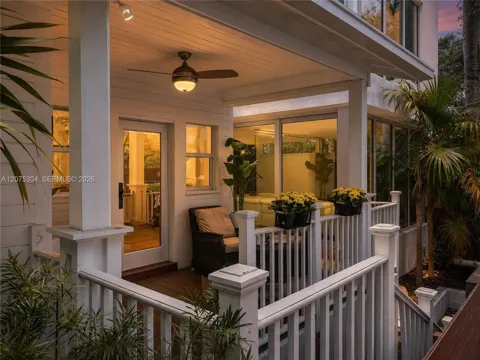
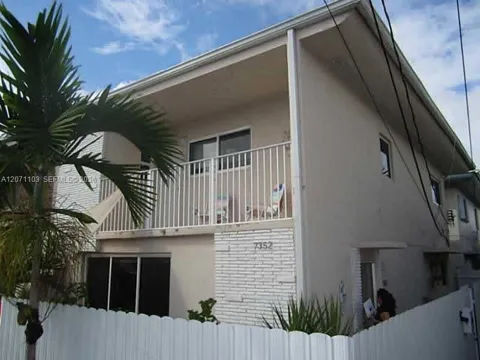
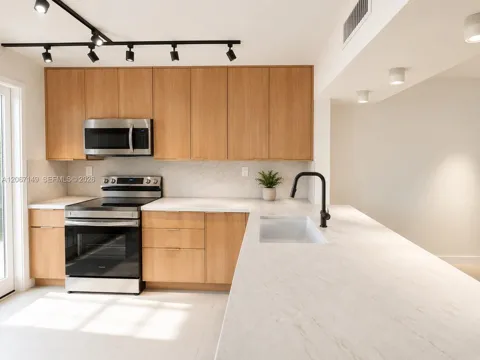
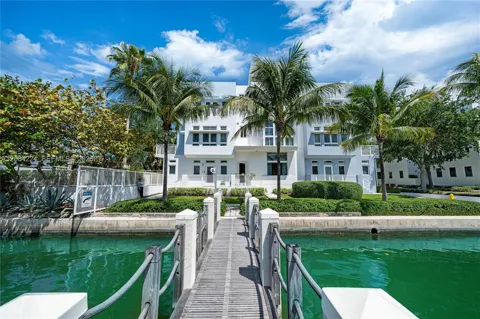
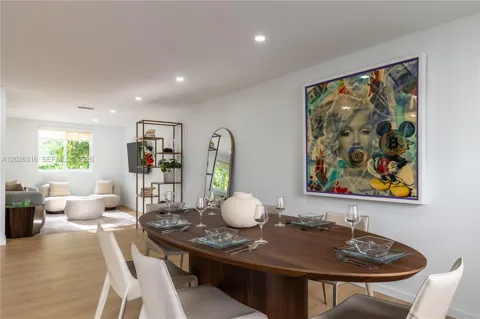
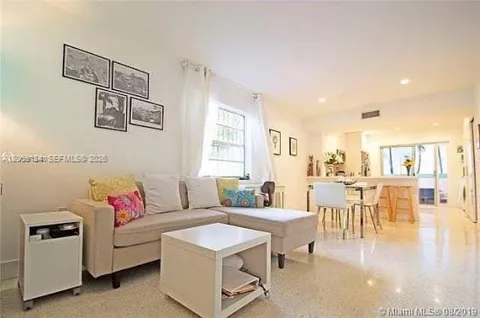
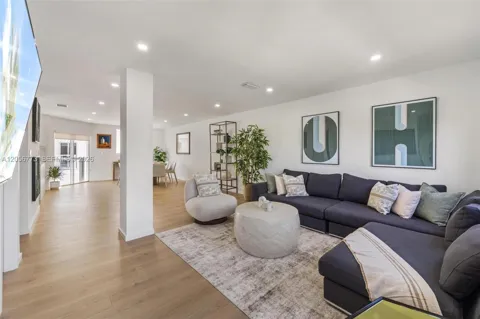
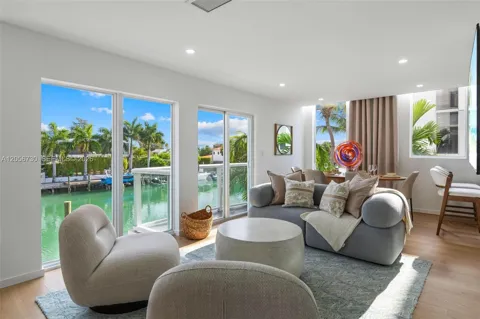
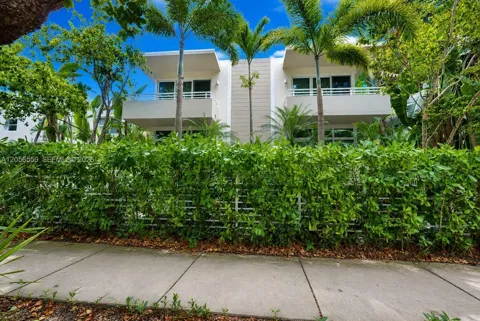
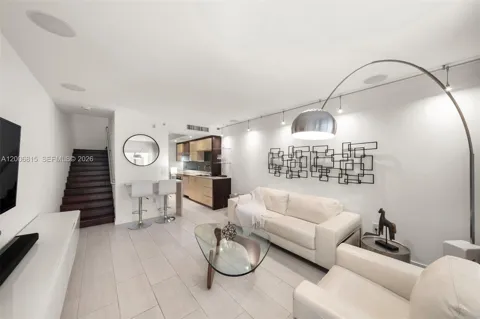


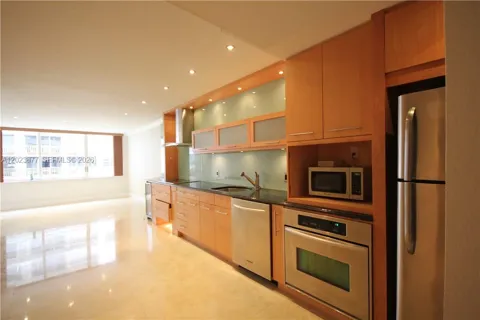
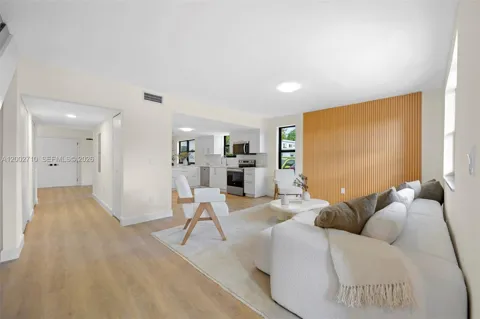
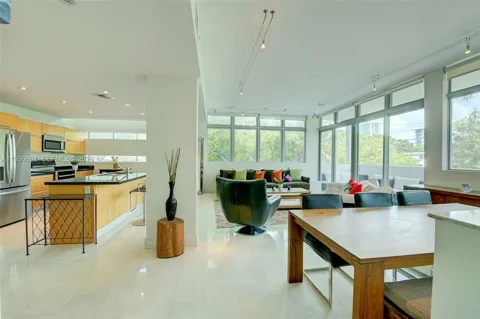
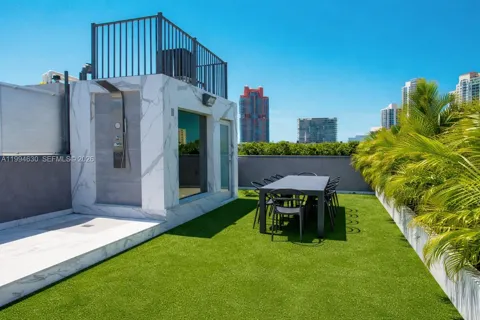
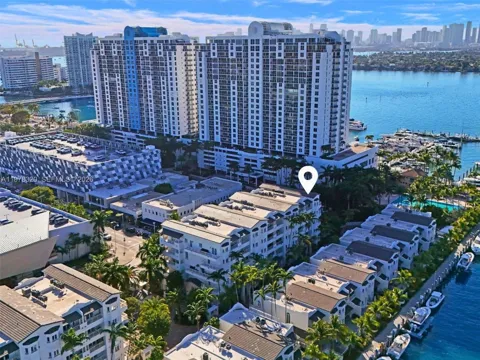
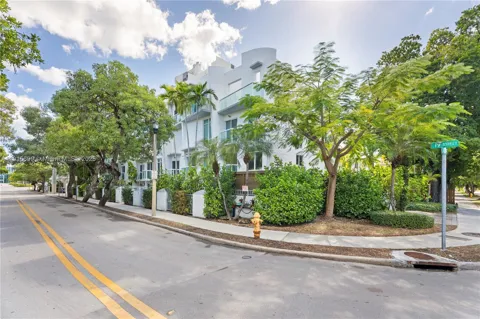
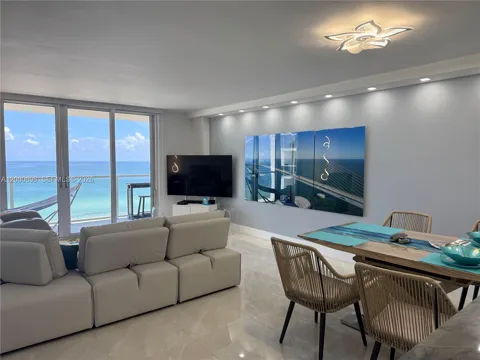
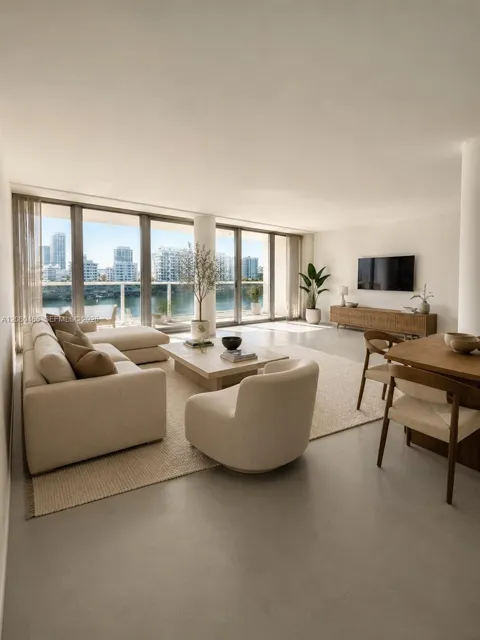
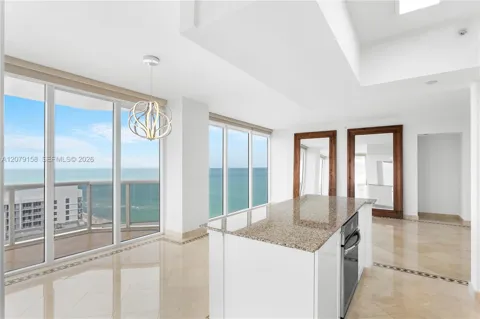
Condos & Apartments in Miami Beach, FL
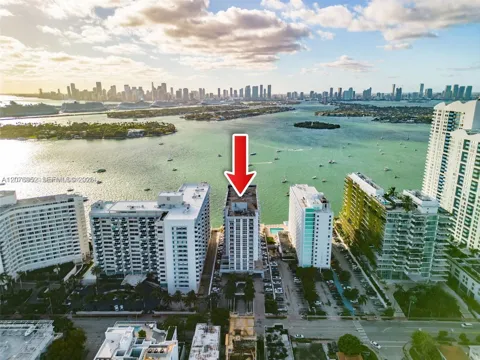
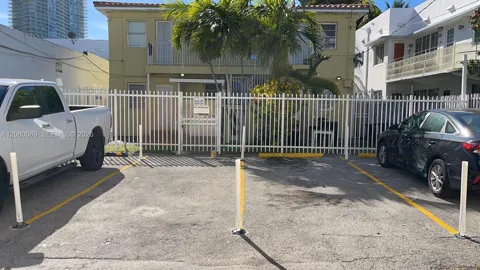
For Rent in Miami Beach, FL
Lots & Land in Miami Beach, FL

MARKET SNAPSHOT
The Market at a Glance
How homes have been selling here over the last 90 days.
Price & Sales History
Market data reflects closed sales over the last 90 days and is provided for informational purposes.
EXPLORE COMMUNITIES
Subdivisions
Browse the neighborhoods and subdivisions in this area.
Zip Codes
BROWSE BY ZIP
Browse listings by postal code in this area.
- Grid
- Map
- List

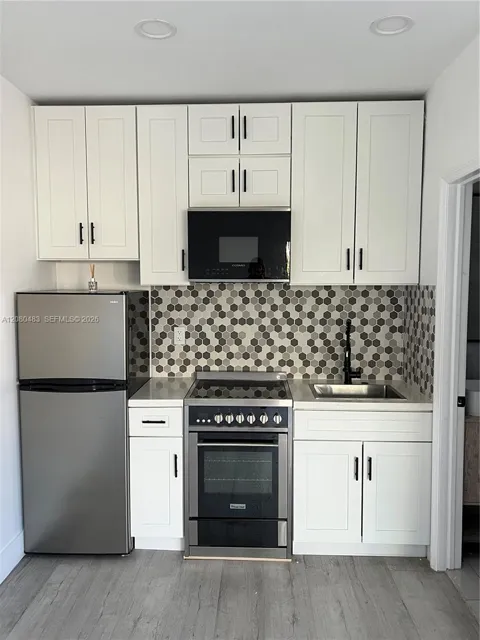
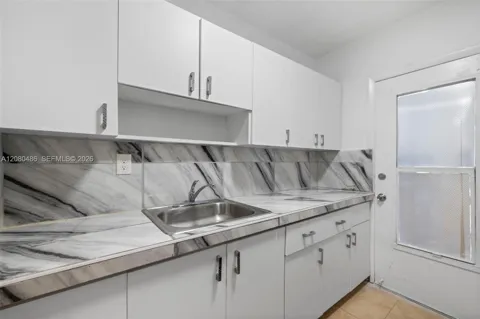
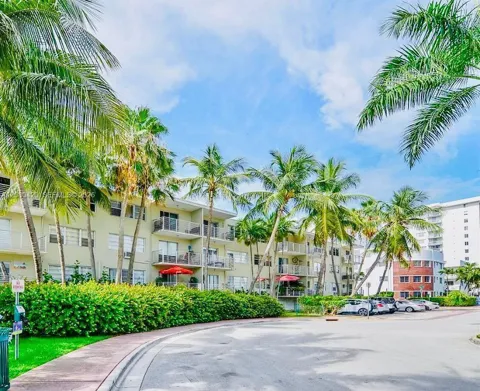
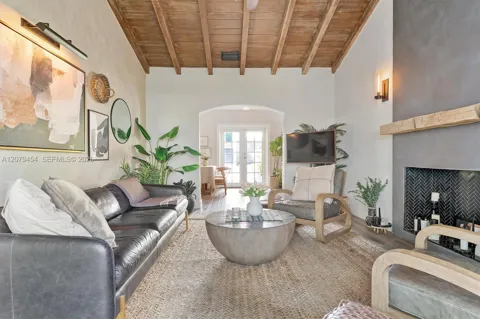
City Guide
About Miami Beach
Real Estate & Housing
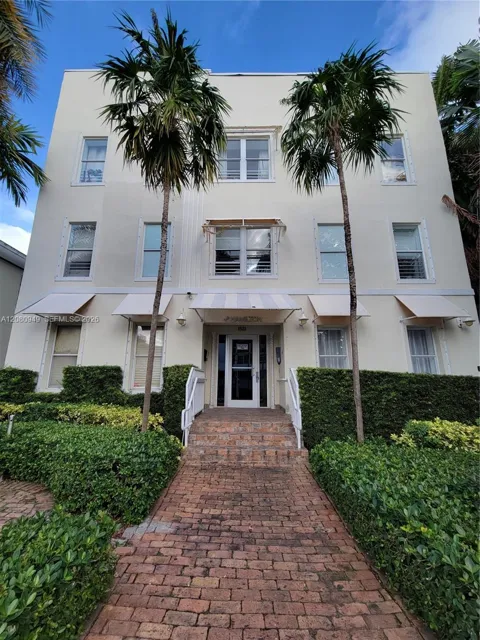
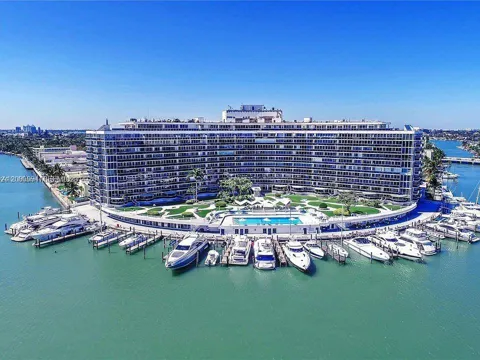
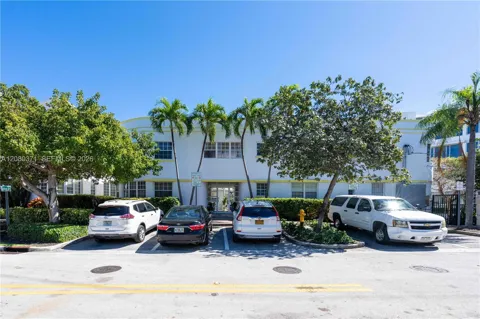
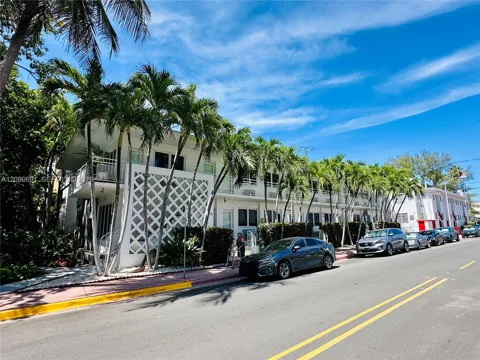
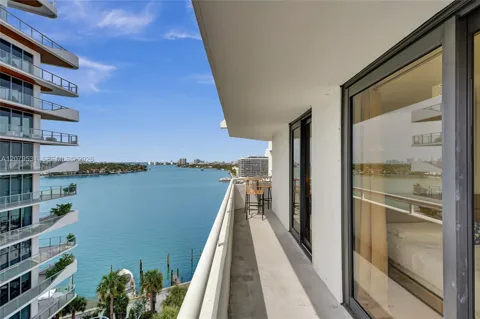
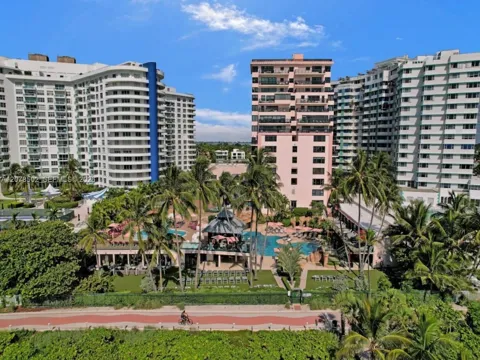
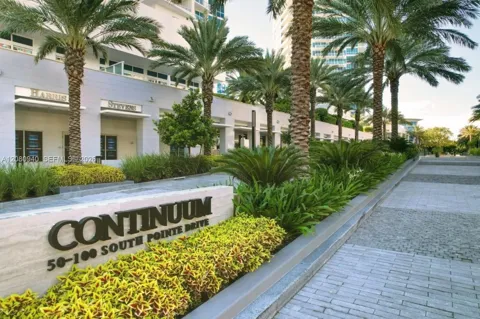
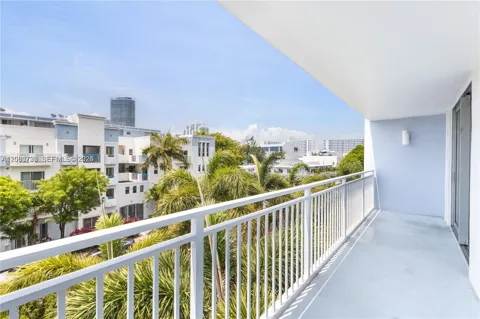
Miami Beach's housing stock is shaped by its resort origins and its status as a densely developed island. South Beach is defined by the Art Deco and Mediterranean Revival hotels and apartment buildings of the 1920s and 1930s, many converted into condominiums, alongside newer oceanfront towers along Collins Avenue. Mid-Beach and North Beach offer a broader mix of mid-century apartment buildings, single-family homes, and high-rise condominiums, with several quieter residential streets. Because the city is an island with limited land, development trends toward mid-rise and high-rise multi-family buildings, particularly along the waterfront. Single-family homes and smaller multi-family buildings are more common in the northern neighborhoods. The overall character is urban, walkable, and ocean-oriented.
Neighborhoods
Miami Beach divides into three broad areas. South Beach, the southern end of the island, is the most famous, anchored by the Art Deco Historic District along Ocean Drive and Collins Avenue, the Lincoln Road pedestrian mall, and a dense mix of hotels, condominiums, and restaurants. Mid-Beach, the central stretch, is home to the Miami Beach Convention Center, larger resort hotels, and a mix of residential buildings near the ocean and the bay. North Beach, at the island's northern end, is quieter and more residential, with mid-century apartment buildings, single-family homes, and a village-style commercial corridor. Throughout the island, waterfront properties face either the Atlantic or Biscayne Bay, and the Beach Walk connects the neighborhoods along the shore.
Lifestyle in Miami Beach
Miami Beach offers a dense, cosmopolitan, round-the-clock lifestyle. Lincoln Road's ten-block pedestrian mall anchors shopping, dining, and people-watching, while Ocean Drive's neon-lit Art Deco strip is the city's most photographed setting. The dining scene spans from beachfront cafés to upscale restaurants, and nightlife is a defining feature of South Beach. The city is also a major arts destination: Art Basel Miami Beach, North America's largest international contemporary art fair, is held each December at the Miami Beach Convention Center, alongside a broader schedule of performances and exhibitions. Residents share their public spaces with a steady stream of visitors, giving the island an energetic, international character that is distinct within greater Miami.
Schools & Education
Public schools in Miami Beach are part of Miami-Dade County Public Schools, one of the largest school districts in the United States, serving more than 330,000 students across 500-plus schools. The island is home to Miami Beach Senior High School, along with a network of elementary and K-8 centers serving the city's neighborhoods, and the district operates magnet and choice programs across the county. Families also have access to a range of private and parochial schools in Miami Beach and nearby Miami, and higher education institutions including Miami Dade College and the University of Miami are a short drive across the causeways.
Getting Around
Miami Beach connects to mainland Miami by a series of causeways — the MacArthur, Julia Tuttle, and Venetian among them — that place downtown Miami, its employment centers, and Miami International Airport within a short drive. Fort Lauderdale-Hollywood International Airport lies about 25 to 30 minutes to the north as an alternate gateway. Miami-Dade Transit's Metrobus network runs several routes across the causeways linking the island to downtown, Wynwood, and the airports, and the city is highly walkable and bike-friendly within its core neighborhoods. On the island, the Beach Walk, local transit, and ride-share services round out daily travel, though a car is common for residents commuting to the mainland.
Parks & Recreation
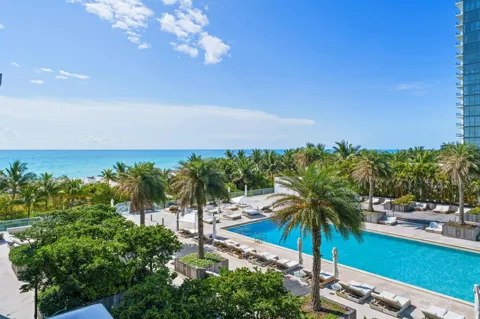
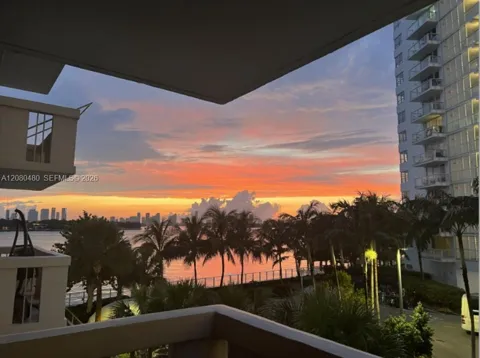
The Atlantic shoreline is Miami Beach's defining recreational asset. Lummus Park, a ten-block oceanfront strip between 5th and 14th streets, backs the beach with paved paths, playgrounds, and the winding Beach Walk, which runs the length of the island. The city operates more than 40 parks and recreation facilities, offering tennis courts, pools, sports fields, and fitness programming. The ocean itself supports swimming, surfing, paddleboarding, and boating, while Biscayne Bay on the western side is popular for kayaking and sailing. The beachfront promenades and the Art Deco district also make walking and cycling a natural part of daily life, and the island's parks host recurring outdoor events and fitness gatherings year-round.
About Miami Beach
Frequently asked questions
What is Miami Beach known for?
Miami Beach is known for its Atlantic beaches, the Art Deco Historic District in South Beach, and the pedestrian Lincoln Road mall. The city holds one of the world's largest concentrations of 1930s Art Deco architecture, centered on Ocean Drive and Collins Avenue, and hosts Art Basel Miami Beach, a leading international contemporary art fair, each December.
Is Miami Beach a separate city from Miami?
Yes. Miami Beach is a separate incorporated city on a barrier island in Miami-Dade County, between Biscayne Bay and the Atlantic Ocean, connected to the city of Miami by several causeways. It lies just east of downtown Miami, about a short drive across the MacArthur Causeway.
What school district serves Miami Beach?
Miami Beach is served by Miami-Dade County Public Schools, one of the largest school districts in the United States, with more than 330,000 students. The island is home to Miami Beach Senior High School and several elementary and K-8 centers, with magnet and choice programs available across the county.
What are the main neighborhoods of Miami Beach?
Miami Beach is generally divided into South Beach, Mid-Beach, and North Beach. South Beach is the most famous, home to the Art Deco Historic District and Lincoln Road. Mid-Beach holds the convention center and larger resorts, while North Beach is quieter and more residential.
How far is Miami Beach from the airport?
Miami International Airport is roughly a 20-minute drive from Miami Beach across the Julia Tuttle or MacArthur causeways, depending on traffic. Fort Lauderdale-Hollywood International Airport lies about 25 to 30 minutes to the north and serves as an alternate gateway.
Still have questions about Miami Beach?
Get in touchExplore the area