Atlantic Coast City in Broward County
Listings in Hollywood, FL
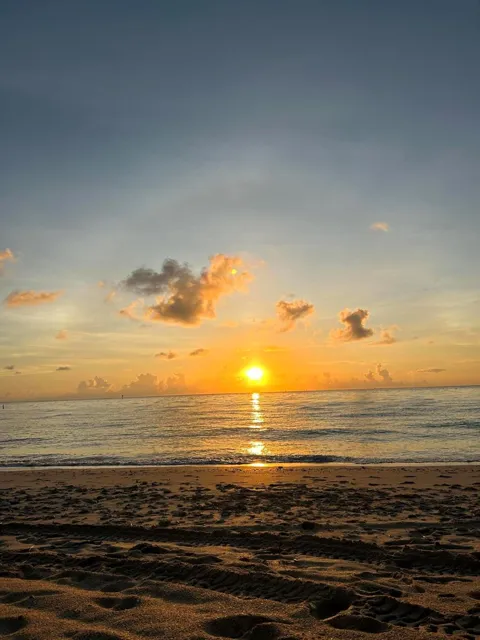
Welcome to Hollywood, the Broward County beach city founded as "Hollywood by the Sea," with a 2.5-mile oceanfront Broadwalk and a historic downtown between Fort Lauderdale and Miami.
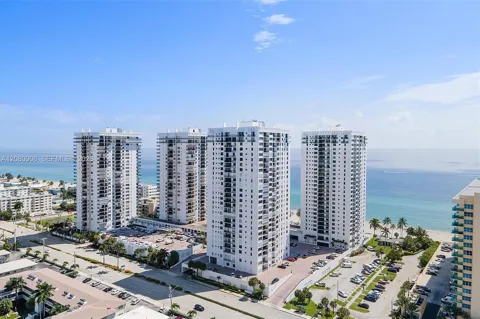
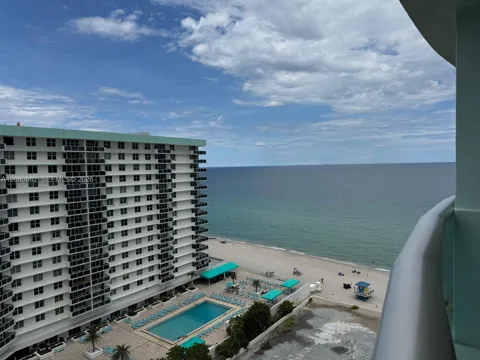
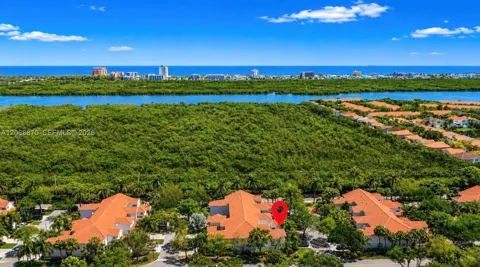
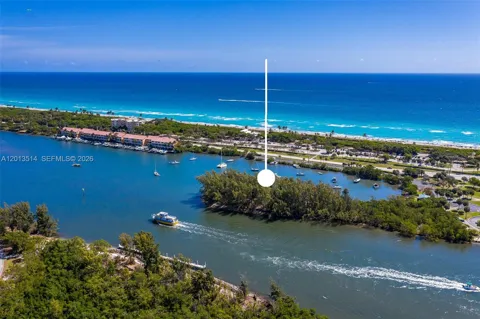
Hollywood is a coastal city in Broward County, Florida, wedged between Fort Lauderdale to the north and Miami to the south along the Atlantic shoreline. With roughly 158,000 residents, it is one of Broward's largest cities and a full-service community that combines a resort-style beachfront with an older, architecturally distinctive urban core. The city was founded in the early 1920s by developer Joseph W. Young, who promoted it as "Hollywood by the Sea" and laid out a plan of broad boulevards, lakes, and Mission Revival architecture. That planned character still shapes the city today, particularly in the Hollywood Lakes district east of downtown, where 1920s-era homes were designed to catch Atlantic breezes and rear alleys keep garages off the street. Hollywood is best known for its beach. The Hollywood Beach Broadwalk stretches about 2.5 miles along the ocean, a brick-paved promenade named one of America's best beach boardwalks by Travel + Leisure. It draws walkers, cyclists, and skaters past cafés, the Hollywood Beach Theatre, and the children's water playground at Charnow Park. West of the beach, the city's geography shifts quickly: an Intracoastal Waterway, coastal mangrove wetlands, and then a grid of residential neighborhoods, golf courses, and commercial corridors reaching toward I-95 and Florida's Turnpike. Downtown Hollywood centers on Young Circle, a traffic circle turned 10-acre ArtsPark with an amphitheater, galleries, and performance space. Around it, a walkable district of independent restaurants, bars, and the Downtown Hollywood Mural Project gives the city a cultural identity distinct from the larger resort towns nearby. The Anne Kolb Nature Center at West Lake Park preserves more than 1,500 acres of coastal mangrove wetlands just south of downtown, one of the largest urban parks in Florida. For residents, Hollywood offers something many South Florida cities cannot: a genuine beach town with an intact historic center and direct commuter access. It sits beside Fort Lauderdale-Hollywood International Airport, is served by Tri-Rail commuter rail, and puts both Fort Lauderdale and Miami within an easy drive. That combination of oceanfront living, historic architecture, and regional connectivity defines daily life in Hollywood.

Get more information about Hollywood
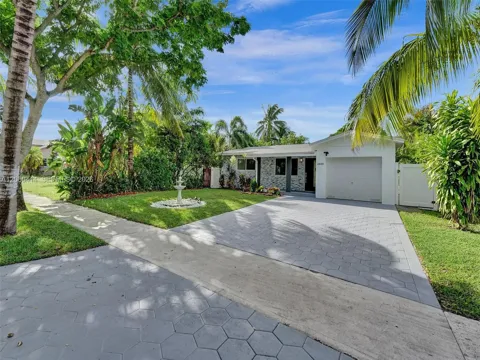
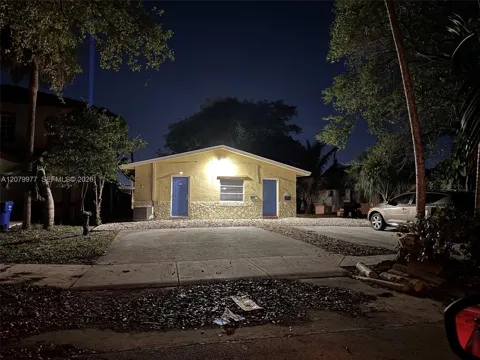
Houses in Hollywood, FL
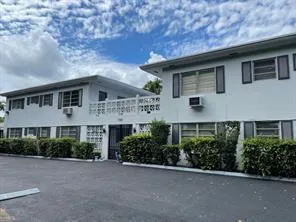
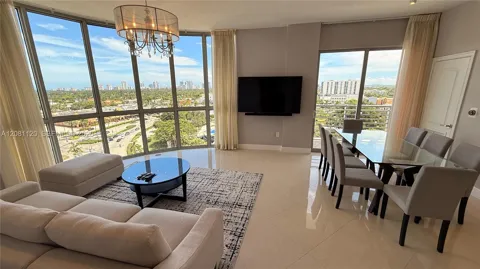
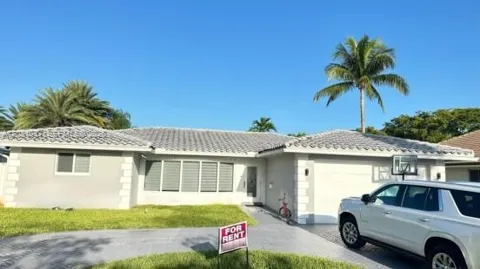
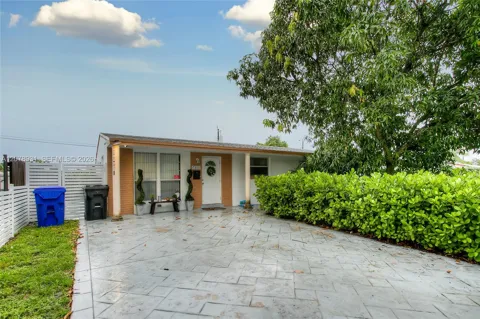
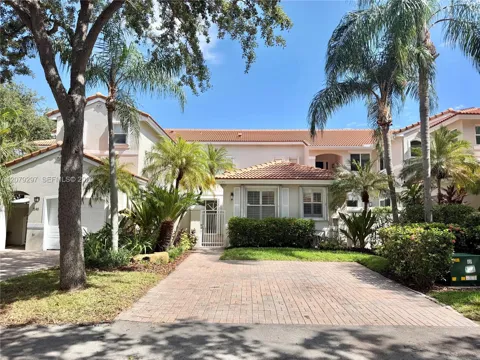
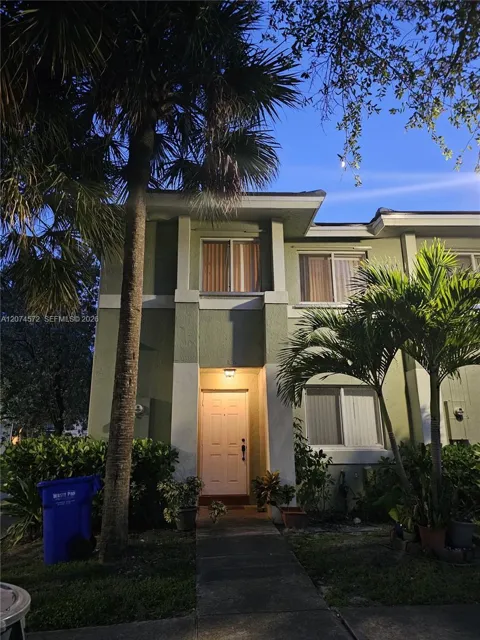
Townhouses & Duplexes in Hollywood, FL
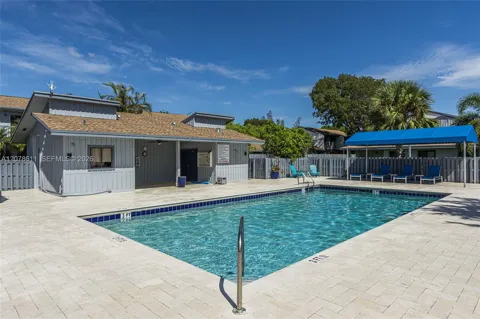
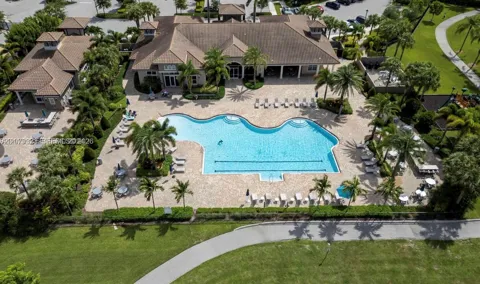
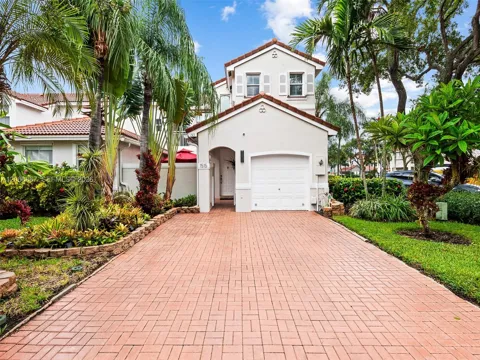
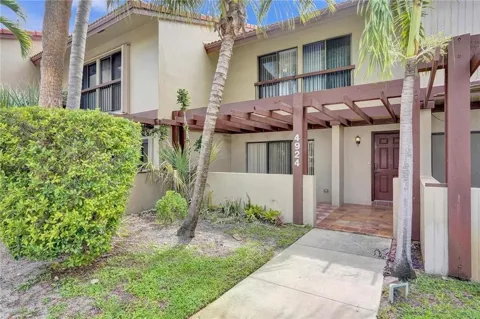
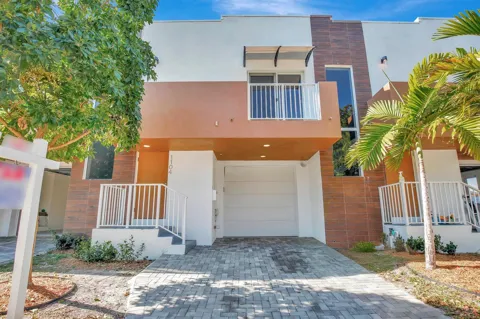
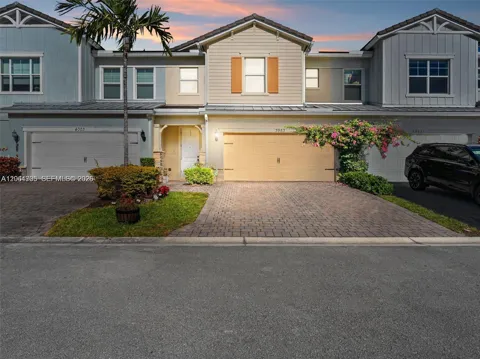
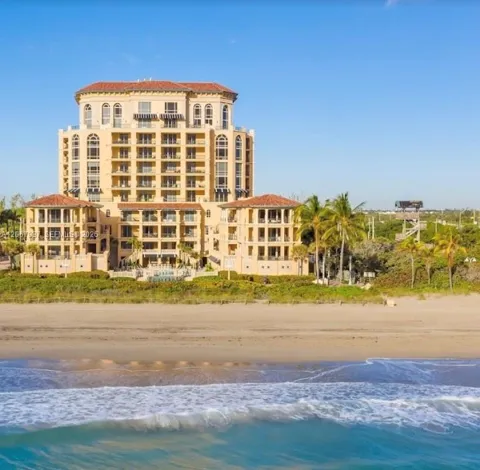
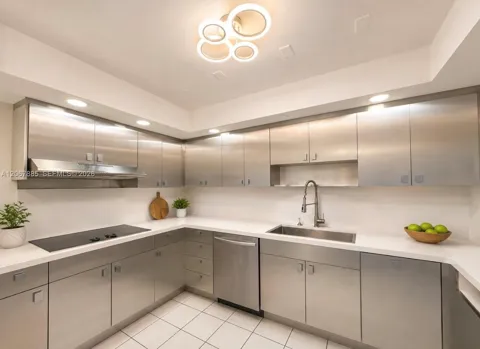
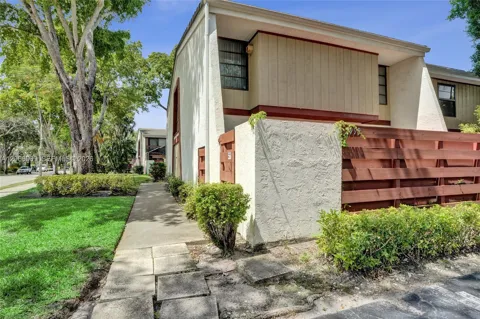
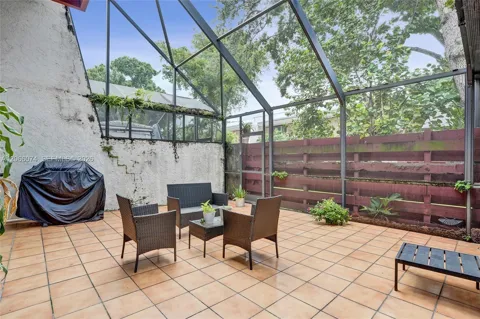
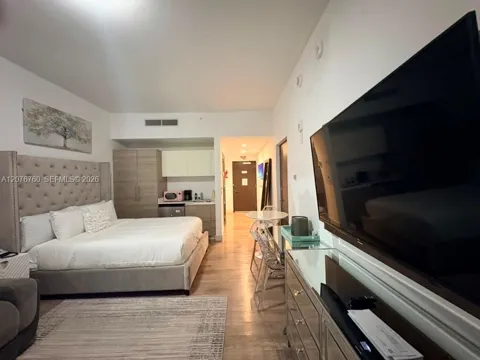
Condos & Apartments in Hollywood, FL
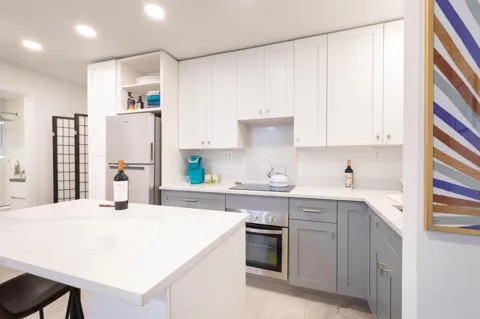
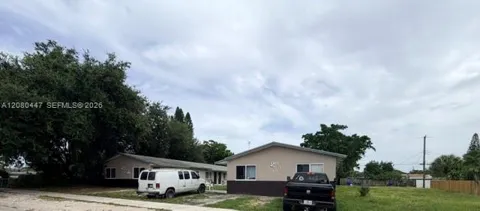
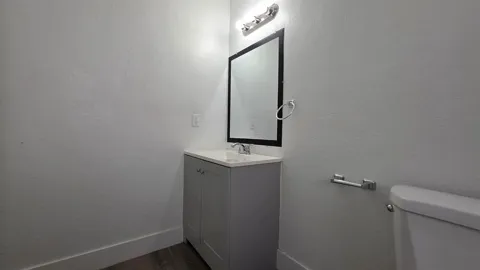
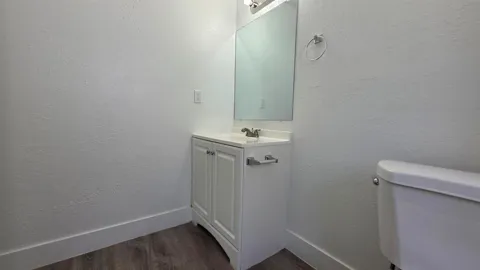
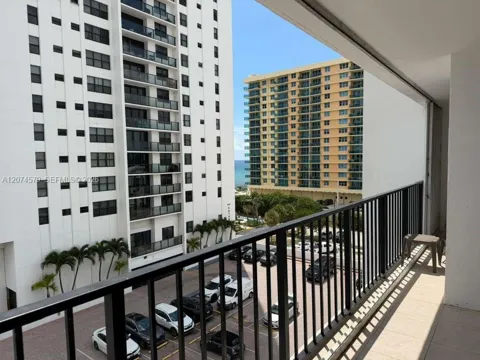

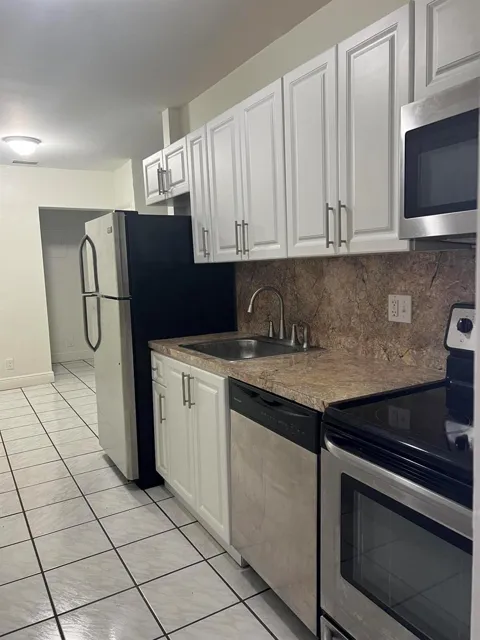
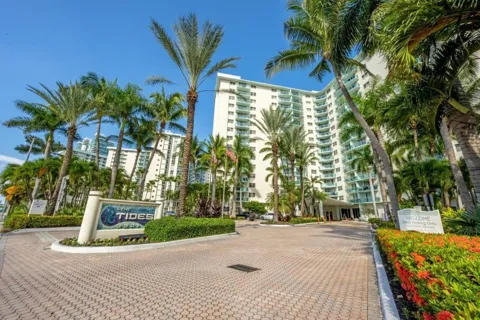
For Rent in Hollywood, FL
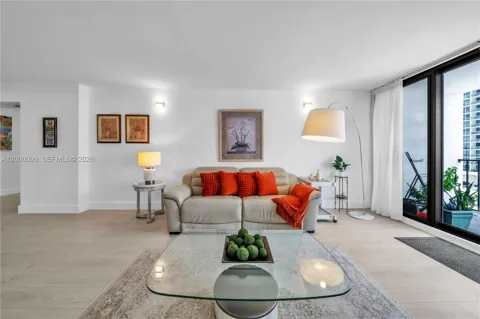
Lots & Land in Hollywood, FL
MARKET SNAPSHOT
The Market at a Glance
How homes have been selling here over the last 90 days.
Price & Sales History
Market data reflects closed sales over the last 90 days and is provided for informational purposes.
EXPLORE COMMUNITIES
Subdivisions
Browse the neighborhoods and subdivisions in this area.
Zip Codes
BROWSE BY ZIP
Browse listings by postal code in this area.
- Grid
- Map
- List
City Guide
About Hollywood
Real Estate & Housing
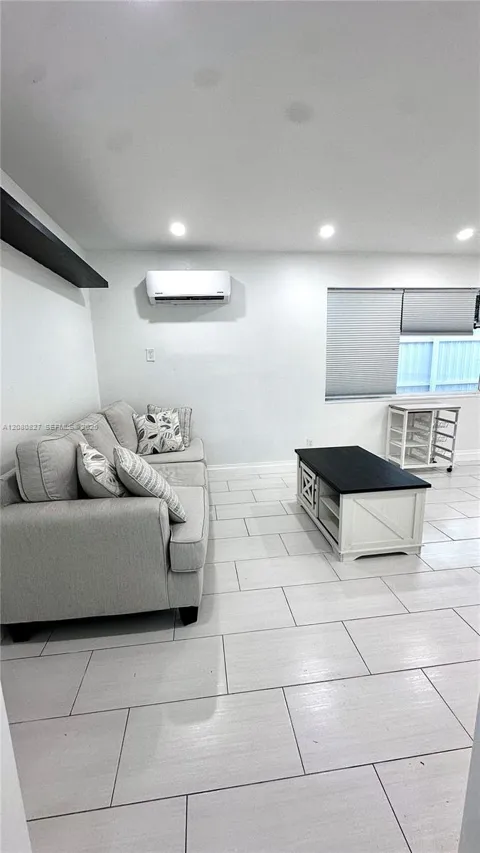
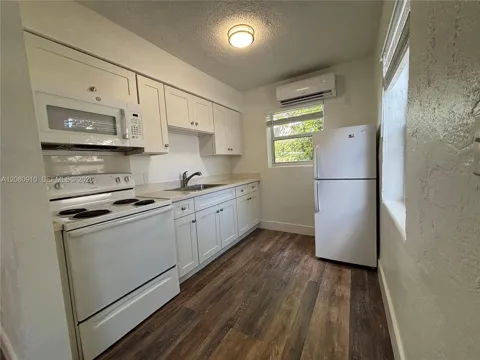
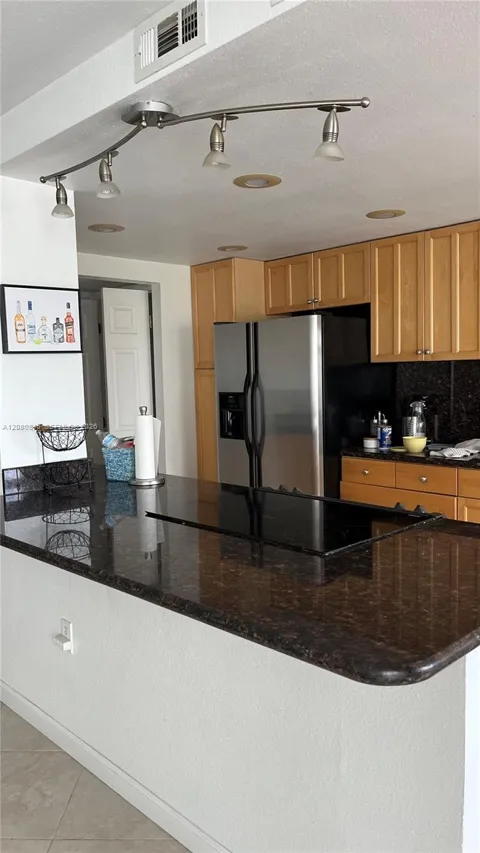
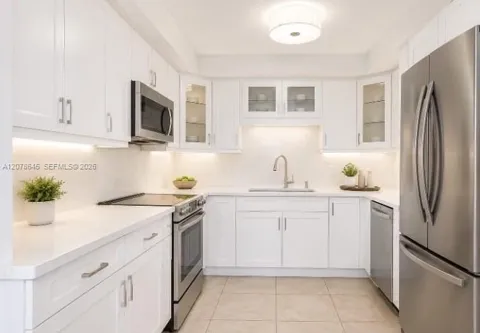
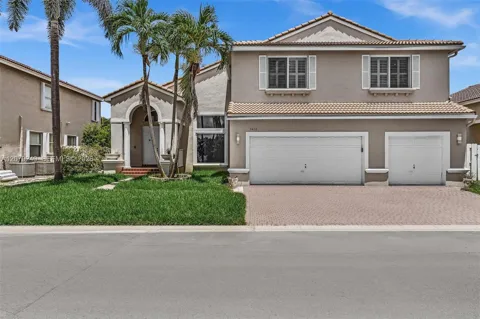
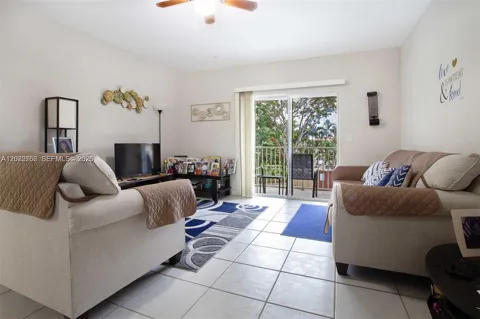
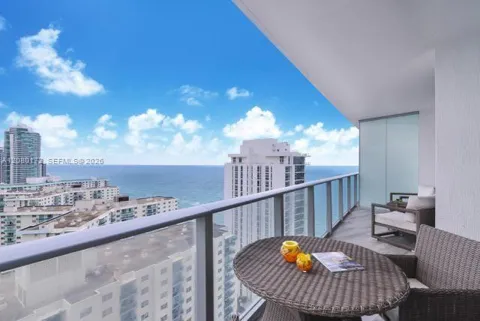
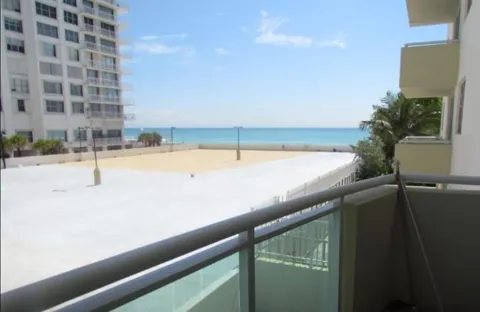
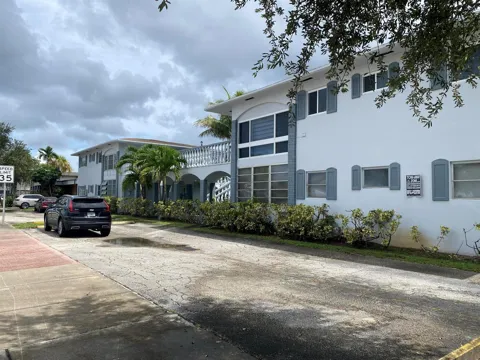
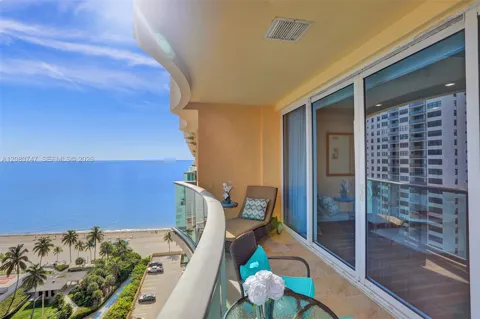
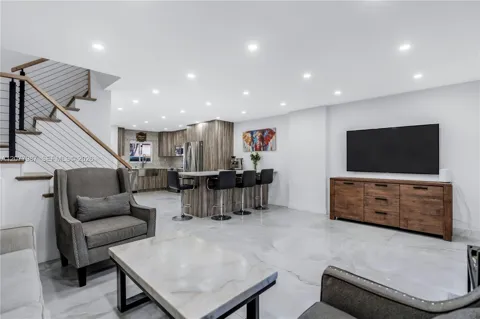
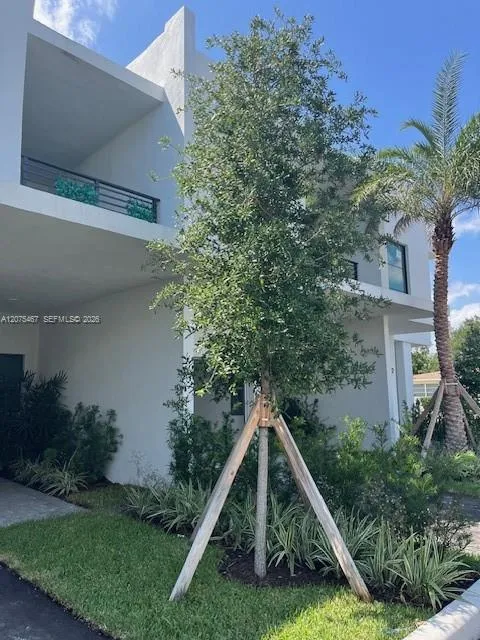
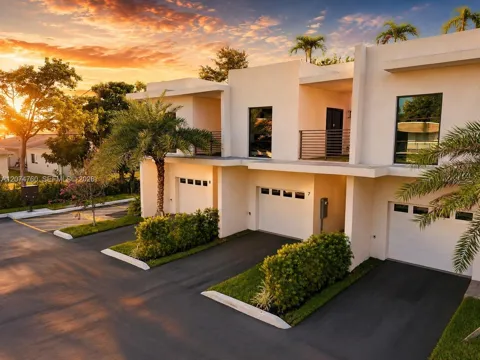
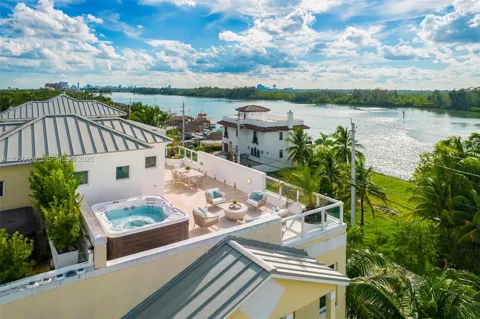
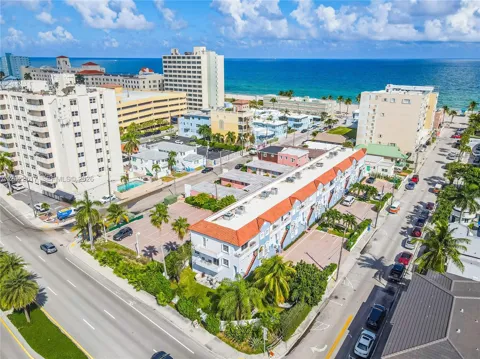
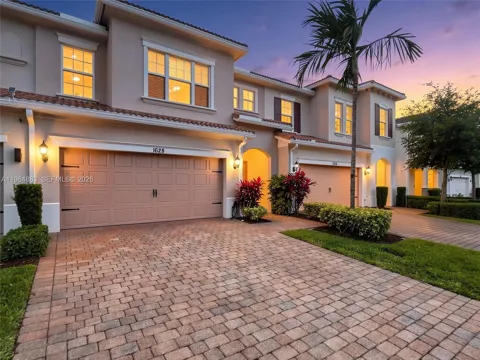
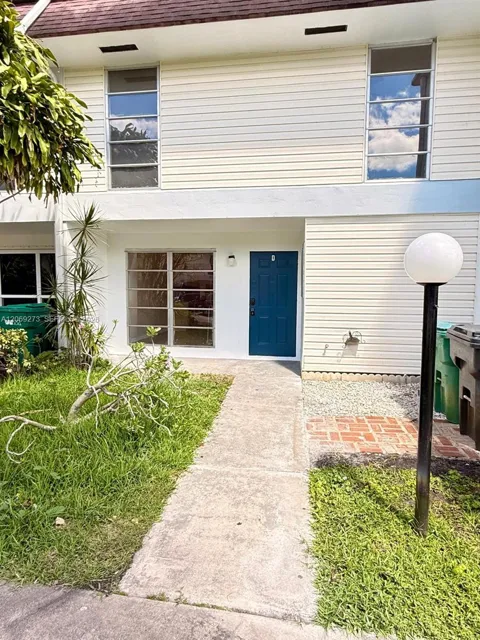
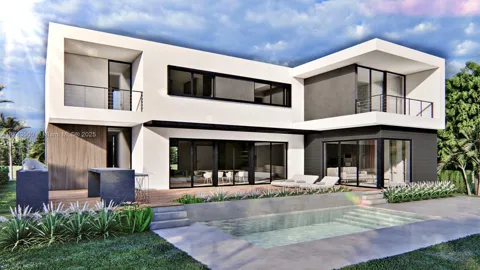
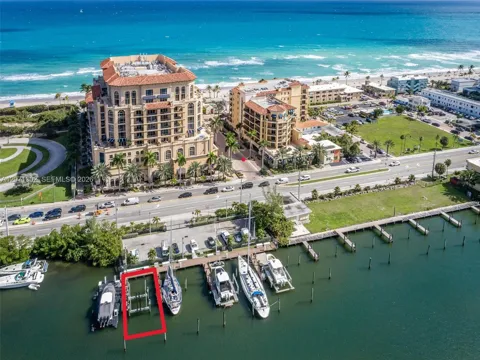
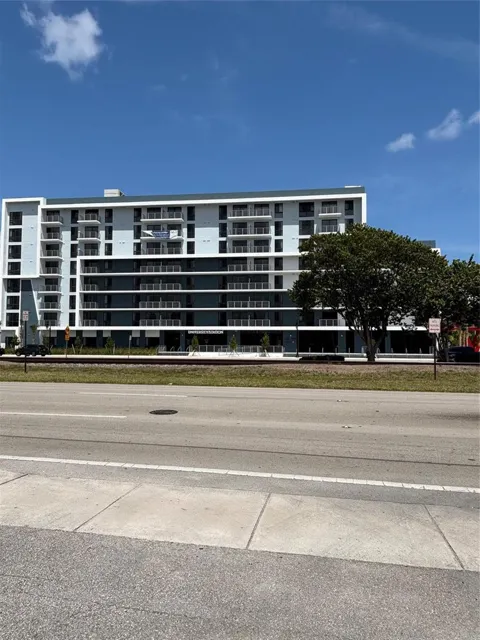
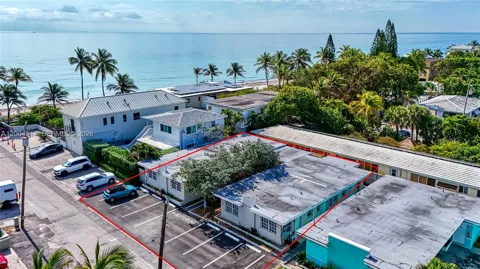
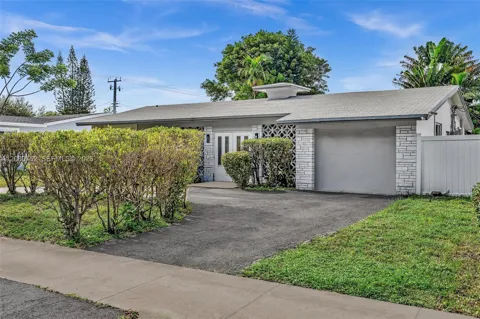
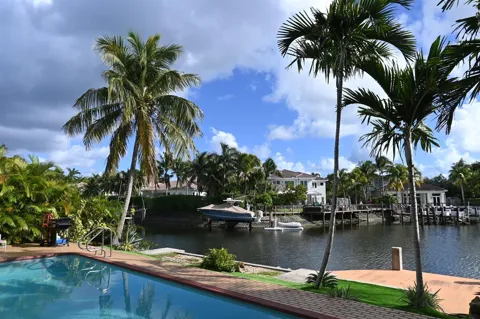
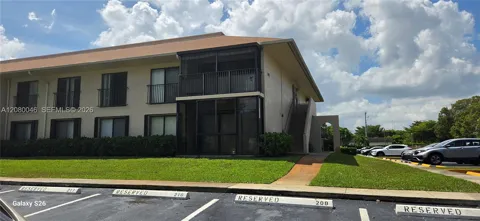
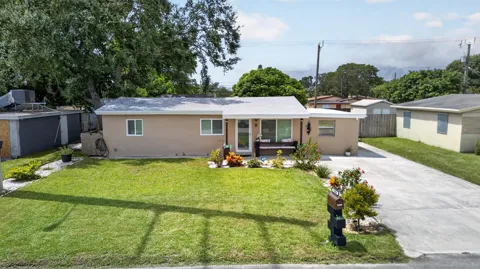
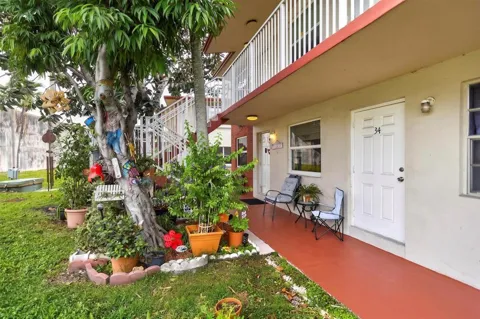
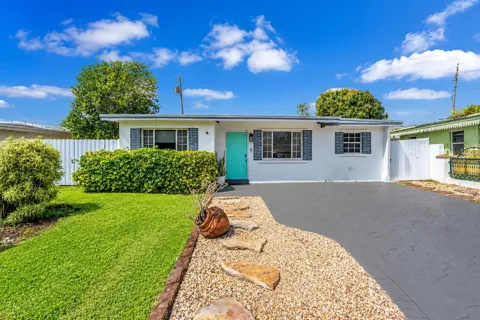
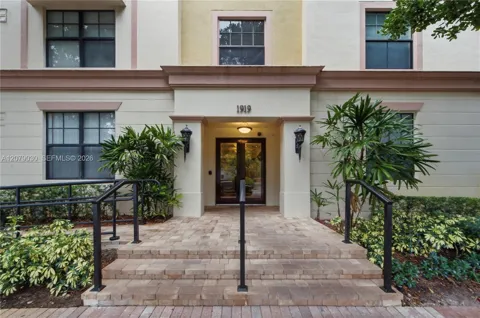
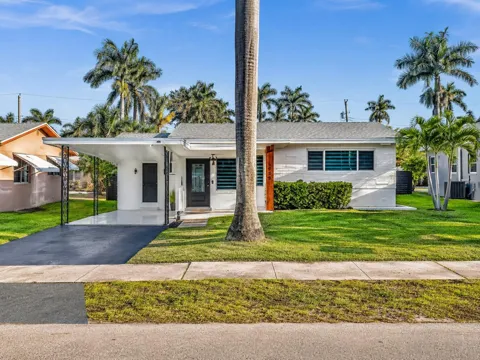
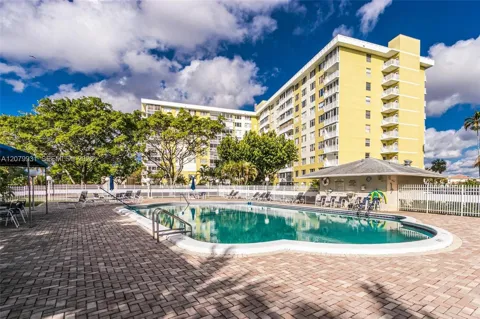
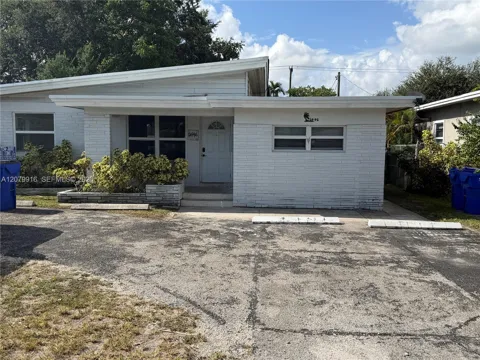
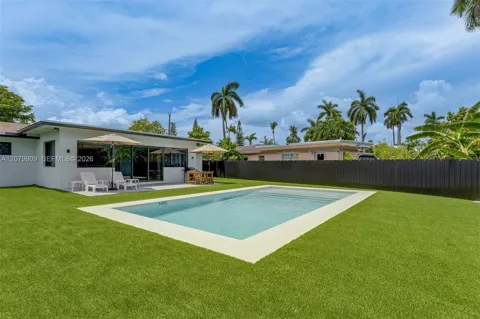
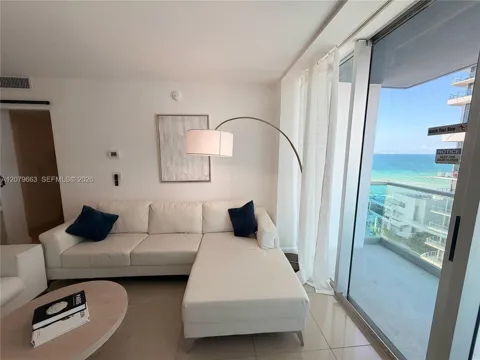
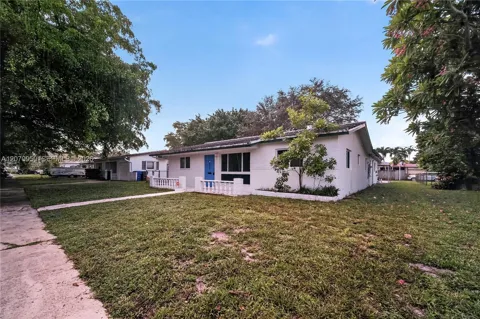
Hollywood's housing stock reflects its long history and its beachfront geography. The eastern, historic neighborhoods contain a significant collection of 1920s Mediterranean Revival and Mission-style homes, many in the Hollywood Lakes district, alongside mid-century ranches and small apartment buildings. Along the oceanfront, the Broadwalk is lined with condominium towers, boutique hotels, and older beach apartments offering direct water views. Inland, neighborhoods such as Emerald Hills, Royal Poinciana, and Oakwood Hills offer single-family homes on larger lots, often around golf courses, while downtown and the western corridors include a growing number of newer townhouses and mid-rise condominiums. This mix — from historic bungalows to high-rise waterfront condos — gives buyers a wider range of housing types than in many neighboring South Florida cities.
Neighborhoods
Hollywood's neighborhoods split between the beach, the historic east side, and the inland west. Hollywood Beach runs along the ocean with condos, hotels, and the Broadwalk, while the adjacent Hollywood Lakes district holds one of South Florida's finest concentrations of 1920s Mediterranean Revival homes and is protected in part as a historic district. Downtown Hollywood, centered on Young Circle, has evolved into a walkable arts and dining district with apartments, lofts, and townhomes. Emerald Hills, built around the Emerald Hills golf course, offers established single-family homes on curving streets, while Royal Poinciana and the Driftwood and West Lake Village areas provide mid-century and family-oriented housing further west. Each area retains a distinct character, giving households a clear range of urban, historic, and suburban choices within one city.
Lifestyle in Hollywood
Hollywood pairs a classic beach-town pace with a growing arts and dining scene. The Broadwalk is the city's social spine, where residents bike, jog, and gather at oceanfront cafés, while downtown's Young Circle ArtsPark hosts concerts, markets, and performances around its amphitheater and galleries. The Downtown Hollywood Mural Project has turned building walls into a large outdoor gallery, and the neighborhood's independent restaurants, craft bars, and cafés draw a local crowd. Community life runs through the city's many parks, seasonal beach events, and cultural festivals. Residents also have easy access to the larger entertainment, dining, and sports offerings of Fort Lauderdale and Miami, making Hollywood a convenient base for enjoying the broader South Florida lifestyle.
Schools & Education
Hollywood is served by Broward County Public Schools, the sixth-largest school district in the nation and the second-largest in Florida, which operates a broad network of elementary, middle, and high schools across the city and county. Hollywood's public options range from long-established neighborhood schools to magnet and charter programs, including arts- and science-focused academies. Private and parochial schools add further choice, and the city sits within reach of higher-education and technical institutions in greater Broward and Miami-Dade. Because school assignment follows specific attendance zones within a large district, families moving to Hollywood typically confirm their zoned schools by address, but the district's scale means residents have access to an unusually wide range of programs and resources.
Getting Around
Hollywood sits at the center of South Florida's transportation network. I-95 and Florida's Turnpike run through or alongside the city, and U.S. 1 (Federal Highway) connects the beach and downtown areas, putting Fort Lauderdale roughly 20 minutes to the north and downtown Miami about 30 minutes to the south. Fort Lauderdale-Hollywood International Airport lies immediately north of the city, giving residents convenient access to domestic and international flights. Tri-Rail commuter rail stops in Hollywood along the Sheridan Street corridor, linking to Fort Lauderdale, Miami, and West Palm Beach, while Brightline intercity service is available from nearby Fort Lauderdale. The city's grid and waterfront geography also make walking and cycling popular along the Broadwalk and in the historic core.
Parks & Recreation
Hollywood's recreation is anchored by its oceanfront and its parks. The 2.5-mile Hollywood Beach Broadwalk is the centerpiece for walking, running, skating, and cycling, with beach access, volleyball courts, and the Hollywood Beach Theatre along the way. Charnow Park adds a children's water playground, while North Beach Park extends the shoreline northward. Inland, the ArtsPark at Young Circle provides green space, an amphitheater, and performance venues downtown. The Anne Kolb Nature Center at West Lake Park protects more than 1,500 acres of coastal mangrove wetlands with paddling trails, a fishing pier, and a 68-foot observation tower — among the largest urban parks in Florida. Golf courses, tennis facilities, and neighborhood parks round out a year-round outdoor lifestyle.
About Hollywood
Frequently asked questions
Is Hollywood, Florida part of Miami?
Hollywood is its own incorporated city in Broward County, Florida, located between Fort Lauderdale to the north and Miami to the south. It is not part of Miami or Miami-Dade County. Downtown Miami is roughly 20 to 25 miles south, a drive of about 30 minutes depending on traffic.
What county is Hollywood, Florida in?
Hollywood is in Broward County, on Florida's southeastern Atlantic coast. The city lies along the ocean between Fort Lauderdale-Hollywood International Airport to the north and the Anne Kolb Nature Center and Hallandale Beach area to the south.
What is Hollywood Beach known for?
Hollywood Beach is known for the Hollywood Beach Broadwalk, a roughly 2.5-mile brick-paved promenade along the Atlantic Ocean named one of America's best beach boardwalks by Travel + Leisure. It hosts walkers, joggers, cyclists, and skaters, and features cafés, the Hollywood Beach Theatre, and the Charnow Park children's water playground.
What school district serves Hollywood, Florida?
Hollywood is served by Broward County Public Schools, the sixth-largest school district in the nation and the second-largest in Florida. Students are assigned to schools by attendance zone, and the district also offers magnet and choice programs. Private and parochial schools provide additional options.
How far is Hollywood from Fort Lauderdale and Miami?
Hollywood sits between the two cities: Fort Lauderdale is about 10 to 15 miles north (roughly 20 minutes by car), and downtown Miami is about 20 to 25 miles south (roughly 30 minutes). Fort Lauderdale-Hollywood International Airport is immediately north of the city.
What is there to do in Hollywood besides the beach?
Hollywood offers the ArtsPark at Young Circle and the Downtown Hollywood Mural Project in its walkable downtown, plus the Anne Kolb Nature Center at West Lake Park with paddling trails and an observation tower across more than 1,500 acres of coastal mangroves. Golf courses, neighborhood parks, and year-round community events add further options.
Still have questions about Hollywood?
Get in touchExplore the area